
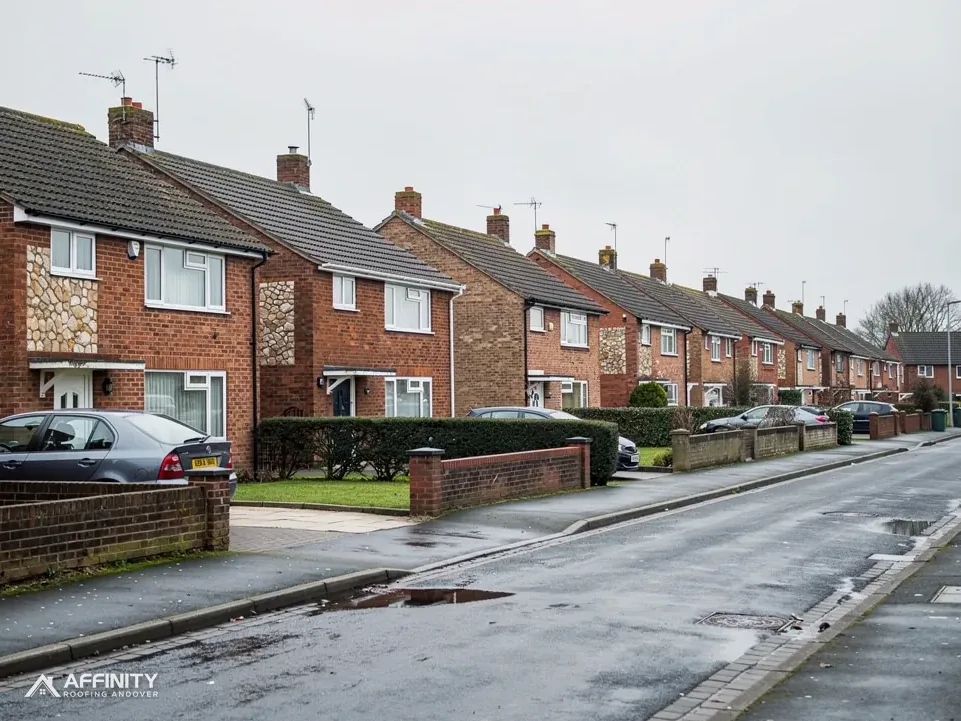
Roofers in Larkhill
Larkhill's streets, the barrow cemetery and the Amesbury edge
Larkhill is a Wiltshire village in Durrington parish, close to a scheduled barrow cemetery. Every roof is inspected and photographed, and the work is planned around the council's rules.
Larkhill roofs north-west of Amesbury
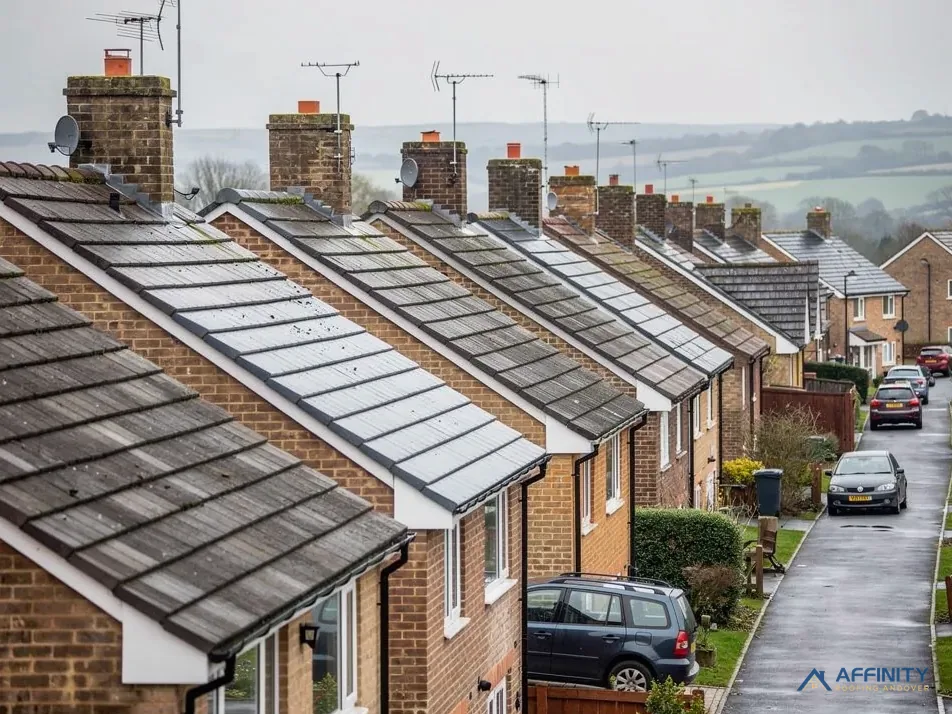
Homes near the barrows
Houses within reach of the scheduled monument of six bowl barrows, where ground works need a careful look.
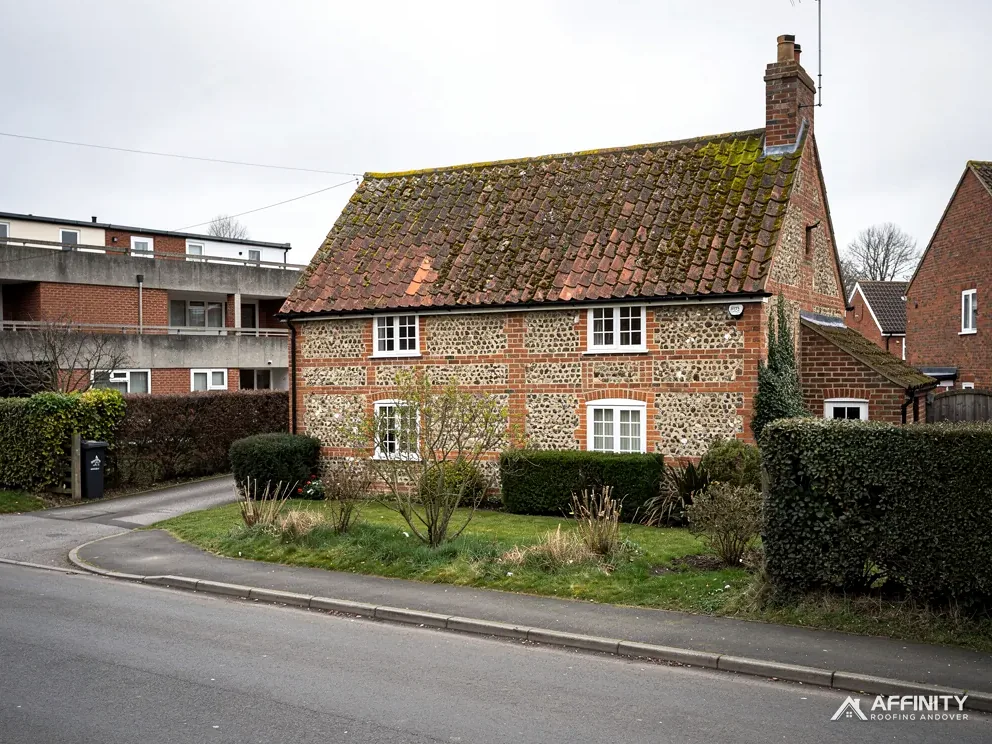
Streets of Larkhill village
A village of 33 postcodes within 600 metres of its centre, with main roofs, extensions and garages to survey.
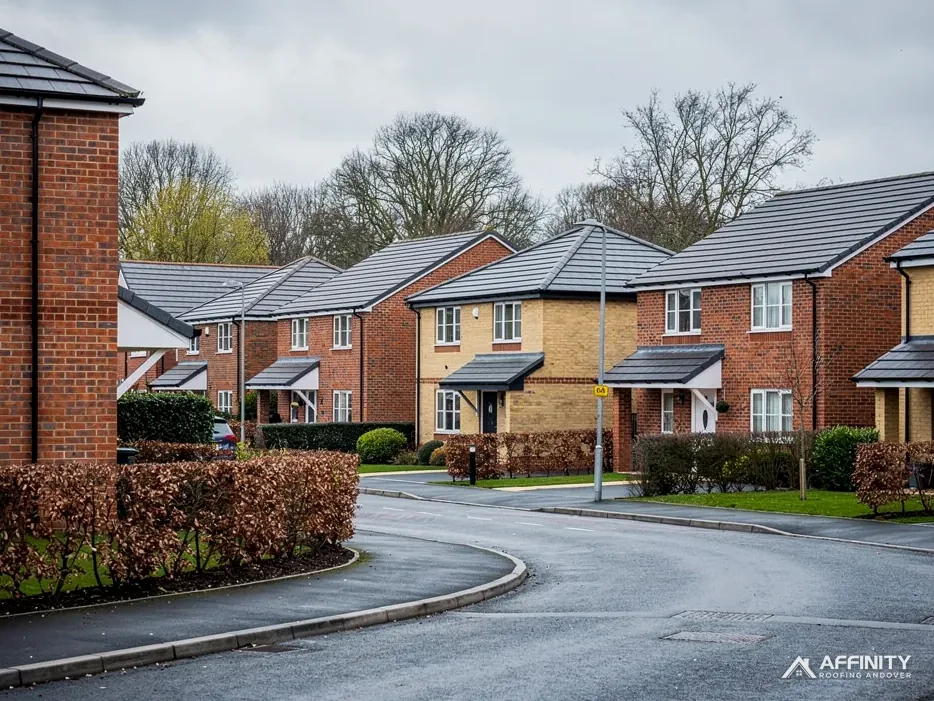
Houses facing Amesbury
Homes to the south-east, towards the Amesbury and West Amesbury conservation areas, which lie within about 2.5 km.
Larkhill, west of Amesbury and Durrington
Durrington lies to the east and Amesbury to the south-east, with Bulford further east. Netheravon is north of the village, Shrewton west and Porton further south-east.
- Distance
- 18.1 road miles west of Andover
- Planning
- Wiltshire Council
The Larkhill roof report
Local editionLarkhill, WiltshireBarrows, parish lines and Wiltshire rules
A scheduled barrow cemetery next door: what shapes work on a Larkhill roof
Larkhill is 18.1 road miles west of Andover and answers to Wiltshire Council throughout. This report sets out what the scheduled monument means for a job, where building control sits, and how a Wiltshire scaffold permit works.
Six bowl barrows and a parish count
Larkhill belongs to Durrington parish, which had 8,447 usual residents at the 2021 Census. That is the parish figure, not Larkhill's alone, and we quote it only to show how the place is counted. Planning for every address here is decided by Wiltshire Council, so questions that elsewhere would go to a district council reach the same unitary body.
The heritage that the national list records closest to the village centre is a scheduled monument: six bowl barrows forming the majority of a round barrow cemetery, list entry 1009068, within about 500 metres. A scheduled monument is protected by its own regime: the consent it requires is for work on the monument. It does not stop a neighbour mending a roof, but it does mean we take care with anything that touches the ground nearby. Before a scaffold base, a skip or a stack of tiles goes down close to it, we look at the list entry and settle the position with you.
Conservation areas are the second question. The closest ones on the national planning record, within about 2.5 km, include Amesbury and West Amesbury. None overlaps the ground around Larkhill's centre, yet that record has gaps, and it is never treated as proof about your street. The right place to check is Wiltshire Council's planning team, and the right question is whether a conservation area or an Article 4 direction touches your address. Wiltshire publishes Article 4 areas of its own, and what each one covers is for the council to say.
Larkhill sits in a parish named after its neighbour, so a search for Larkhill planning can lead to Durrington pages. The council keeps one record for each address, and we quote your full postcode when we make an enquiry, so there is no confusion about which place is meant. A request filed under the wrong place name can sit unanswered, so the postcode goes on every one.
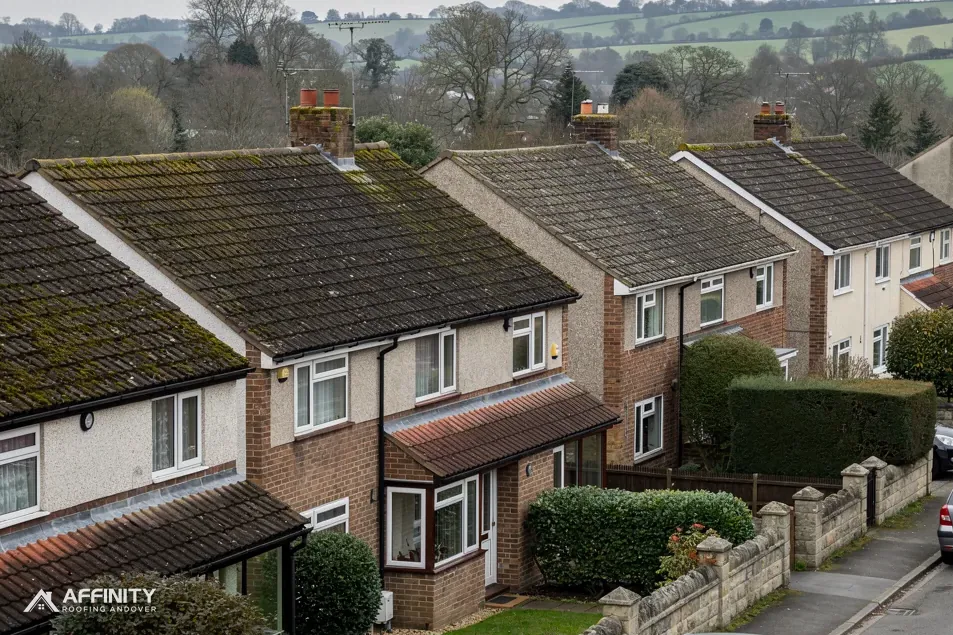
With so little listed heritage right at the centre, a Larkhill survey concentrates on the roof itself. We study the covering first, then the ridge, the hips, each valley, the flashings at chimneys and walls, and the gutters and fascias. Then we go into the loft and check the battens, the underlay and the rafters. Water travels along timbers before it shows on a ceiling, so the leak you see is often some distance from the leak that matters.
The photographs go to you with a plain description of each fault, in the order we would fix them, and a view on which can wait.
Wiltshire Building Control and the weight of a covering
Wiltshire is a unitary area, so Wiltshire Council covers planning, the highway and building control for Larkhill in one place. Its Building Control service runs from Monkton Park, Chippenham, and takes inspection bookings and payments on 0300 456 0113. A registered building control approver is the private alternative, and the register those approvers sit on opened on 6 April 2024. We tell you at the survey which route we recommend for your roof and why.
For a re-roof, the Planning Portal sets the national test. If you touch under 25 per cent of the building envelope and under 50 per cent of the roof, no application is normally needed. The envelope is the roof together with the walls, floor and glazing, so one slope is a modest fraction of it. No separate percentage for roof coverings appears on the council pages. The Portal's figures guide the survey, and anything close to the line goes to Wiltshire's Building Control team as a question, photographs attached.
A different rule turns on weight. A replacement covering whose weight rises by 15 per cent or more brings Building Regulations approval into play however small the job, with a structural check beforehand. We note the current covering and the one you want, then compare them before any order is placed. Light covering swapped for heavy is the change to watch, and the loft tells us whether the timbers could carry it.
Many Larkhill jobs are small. A cracked tile, a worn lead flashing or a split gutter seldom approaches any threshold, and in those cases the survey note simply says so. If a bigger job crosses a line, the note names the line, the person at the council we will ask, and what the answer could change.
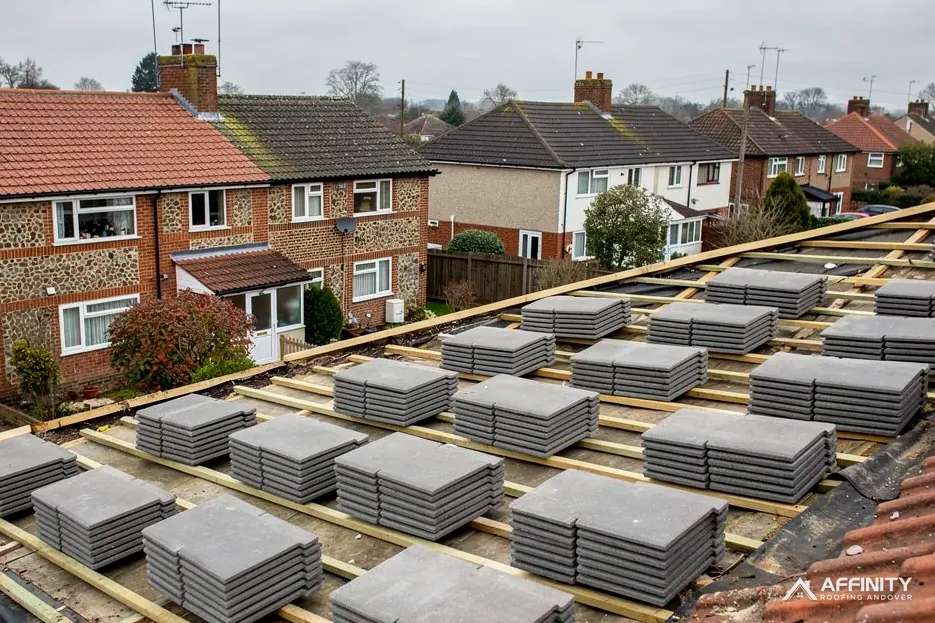
If the answer is a full re-roof, the sequence is the same on every house. The old covering comes off one slope at a time, so the roof is never open to rain for long. Damaged battens are cut out and replaced, new underlay goes down, and the new tiles or slates are fixed, with the ridge and hips bedded last. Each stage is photographed before it is covered up, so you can see work that will be hidden for decades.
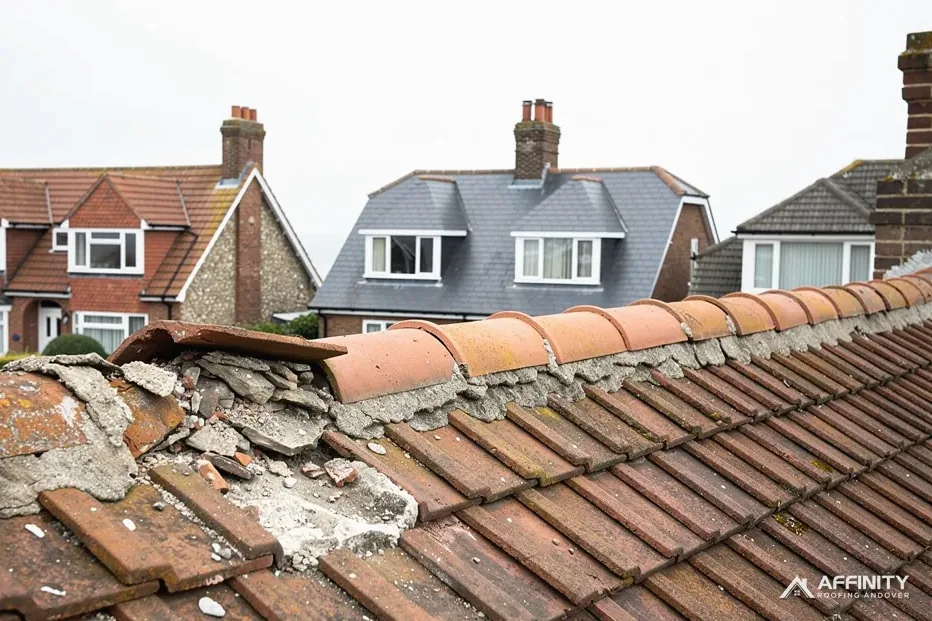
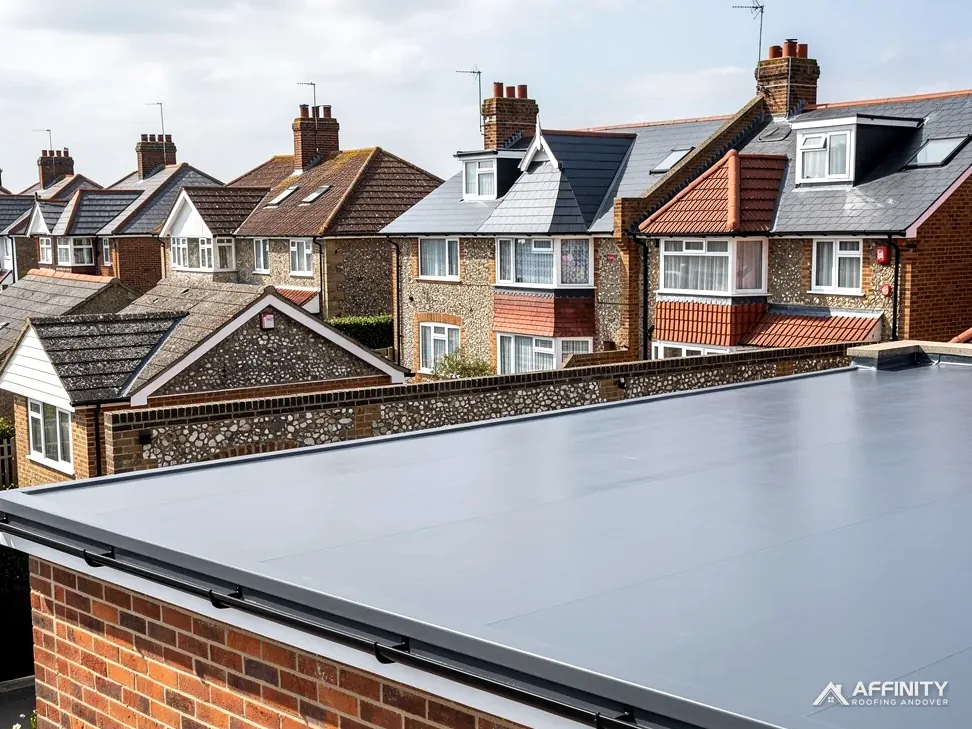
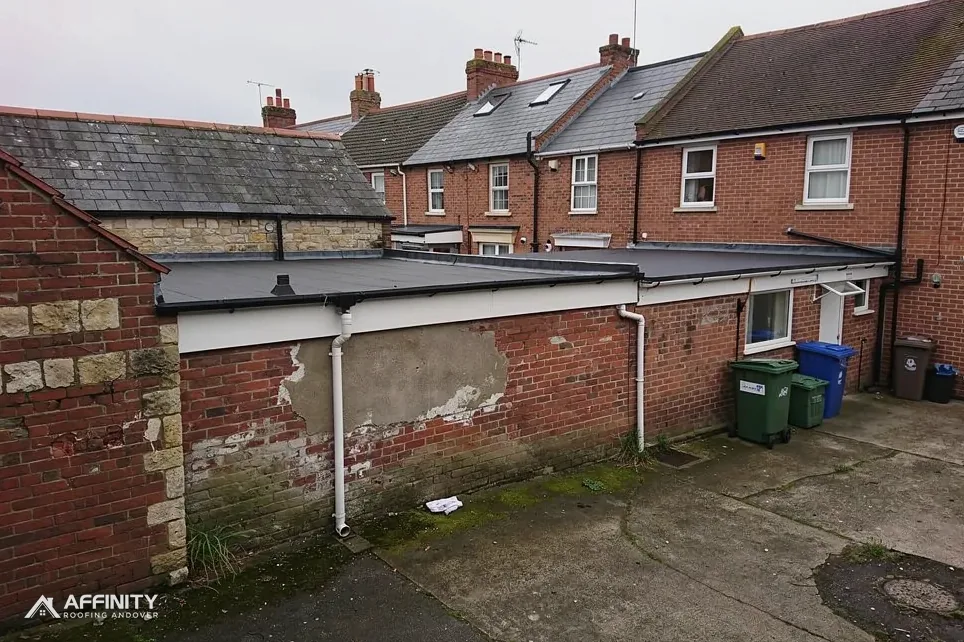
Garage and extension roofs that are flat form another case. They tend to fail at joints, outlets and upstands rather than in the middle of the sheet, and a repair to the failed detail is frequently enough. Where the whole membrane has failed, we explain the options before quoting.
Everything arrives together: photographs, a description of the fault, the route and one written total.
“Near Larkhill's barrow cemetery, a roof repair is routine, and the care goes into where the scaffold stands.”
A Wiltshire permit for scaffold on Larkhill roads
A house built right up to the road puts scaffold poles in the public highway, which needs a licence under section 169 of the Highways Act 1980. In Larkhill that licence comes from Wiltshire Council. Wiltshire Council wants a single licence for each site, requested through the MiPermit portal by the firm supplying the scaffolding. The householder does not apply.
Wiltshire Council sets its fee by notice given: £143.80 where an application has more than 3 working days' notice, and £164.70 where it has less. Every licence is valid for 28 days. A hoarding is licensed on its own terms, and a bay marked on the road has to be suspended separately. Wiltshire's page adds that a late fee of £292.50 applies to scaffolding put up without a licence, which is a good reason to book early and do it properly.
We build the programme around the 28 days. Materials reach site before the frame is built, so the roof is open for as short a time as possible. A job likely to run longer is raised at the survey, with the scaffolder, before anything is booked.
A Larkhill roof may need no highway scaffold at all. Where a drive or garden gives room, the whole frame can sit inside your boundary, and a low roof may need only a tower. The plot decides, and the survey note says what kind of access the job needs and whether a permit comes into it.
Should the frame cover a marked bay, the suspension is arranged alongside the licence so both sets of dates match. Next door is told before anything goes up, in good time, and the position of deliveries and skip is settled with you, so nobody is hemmed in.
Weather can interrupt any roof job. A licence runs for 28 days whether or not the rain allows work, so the start allows spare days, rain is planned for before the scaffolder is committed, and a roof left open is sheeted at dusk.
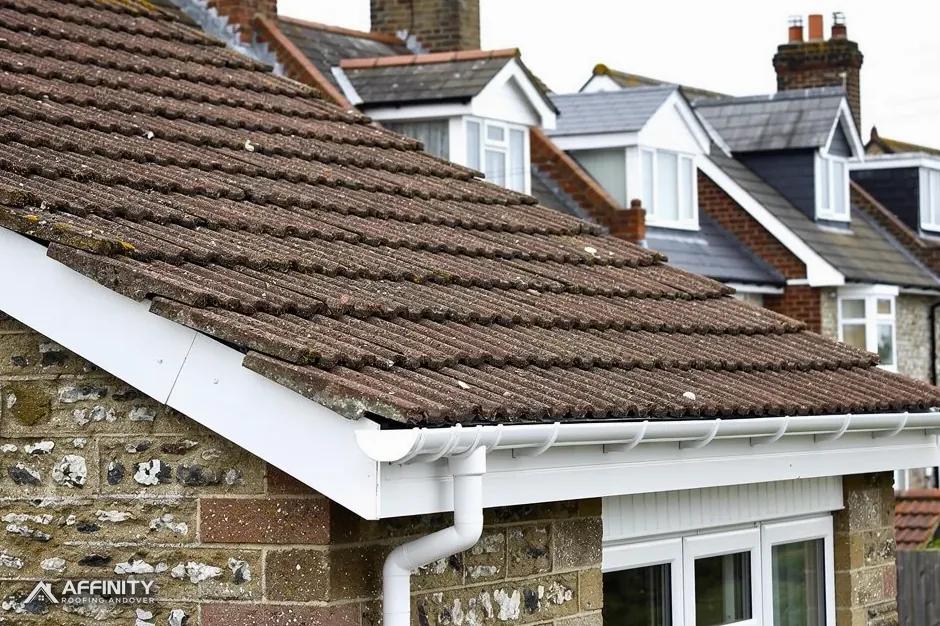
Practical services suit Larkhill roofs. Roof repairs deal with slipped tiles, split ridge pieces and failed flashings. Flat roofing covers membranes, outlets and upstands. Guttering, soffits and fascias cover the roofline: the gutter itself, the fascia board it hangs from and the soffit lining the overhang.
On the last day the site is swept, the rubbish is removed and the photographs reach you.
Roofing help for Larkhill streets
Larkhill roofs: the monument, Wiltshire and the permit
Can I put a skip near the Larkhill barrow cemetery on my drive?
That depends on where the scheduled monument's boundary lies. The consent in question is for works on the monument, and disturbing ground close to it is the real risk. We look up the Historic England list entry before siting a skip, scaffold base or delivery, and we agree the position with you well in advance of the work, and put it in the survey note.
Is Larkhill in a conservation area, or near one?
The closest on the national planning record are Amesbury and West Amesbury, within about 2.5 km, and the council's map settles whether one reaches your road, so put your address to Wiltshire Council's planning team and ask about any Article 4 direction at the same time. We can send both questions and pass on its reply.
What is Wiltshire's scaffold permit fee for a Larkhill house?
Wiltshire Council charges £143.80 with more than 3 working days' notice and £164.70 with less. The licence is valid for 28 days, and the scaffolding company applies to Wiltshire Council through MiPermit. Poles on private ground need no licence. We book the scaffolder early so you pay the lower figure and the dates stay firm.
Does a new tile covering need Building Regulations approval in Larkhill?
It can. An application is usually unnecessary where under 25 per cent of the building envelope and under 50 per cent of the roof is touched, but a covering 15 per cent or more heavier always needs one. Wiltshire Council's Building Control service handles it, or a registered approver as the private option. We ask before booking and share the reply.
Durrington, Amesbury and the villages near Larkhill
Have a Larkhill roof looked at
Give us your road and a photo. We inspect first, settle the council steps, then send one written total.
10-year workmanship guarantee, in writing.