
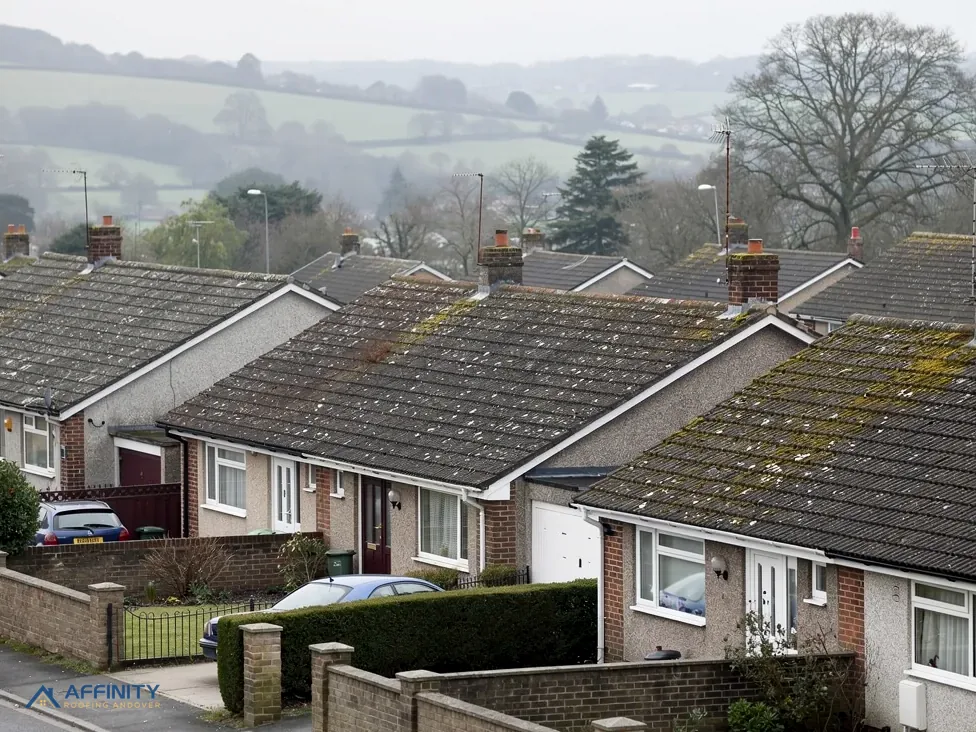
Roofers in Hampstead Norreys
Grade I church, scheduled motte and downland edge
Hampstead Norreys has 17 listed buildings within 500 metres of its centre and sits inside the North Wessex Downs. We survey first and photograph what we find.
Hampstead Norreys roofs, from church to parsonage
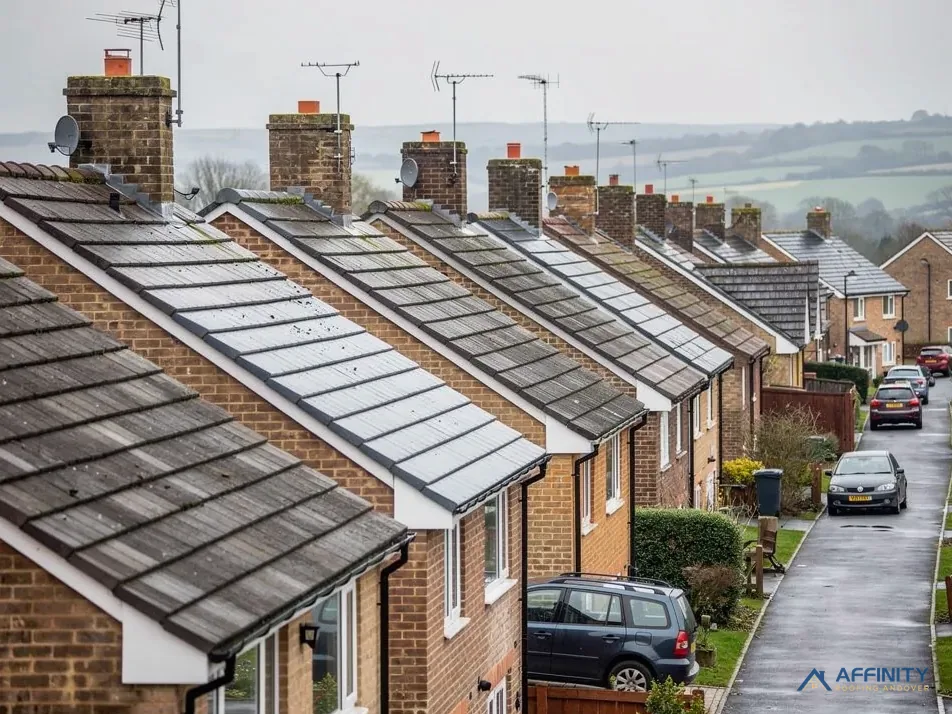
Grade I church
The Church of St Mary has been Grade I listed since 24 November 1966.
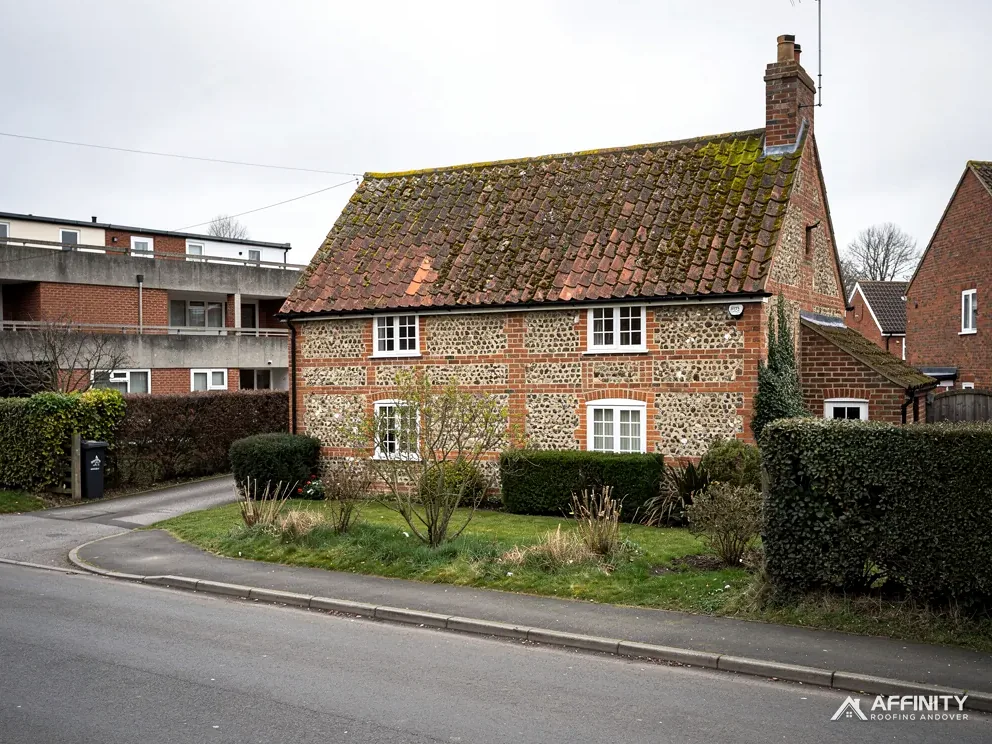
Listed houses
The Litten and Parsonage House are both listed Grade II, among 17 listed buildings within 500 metres.
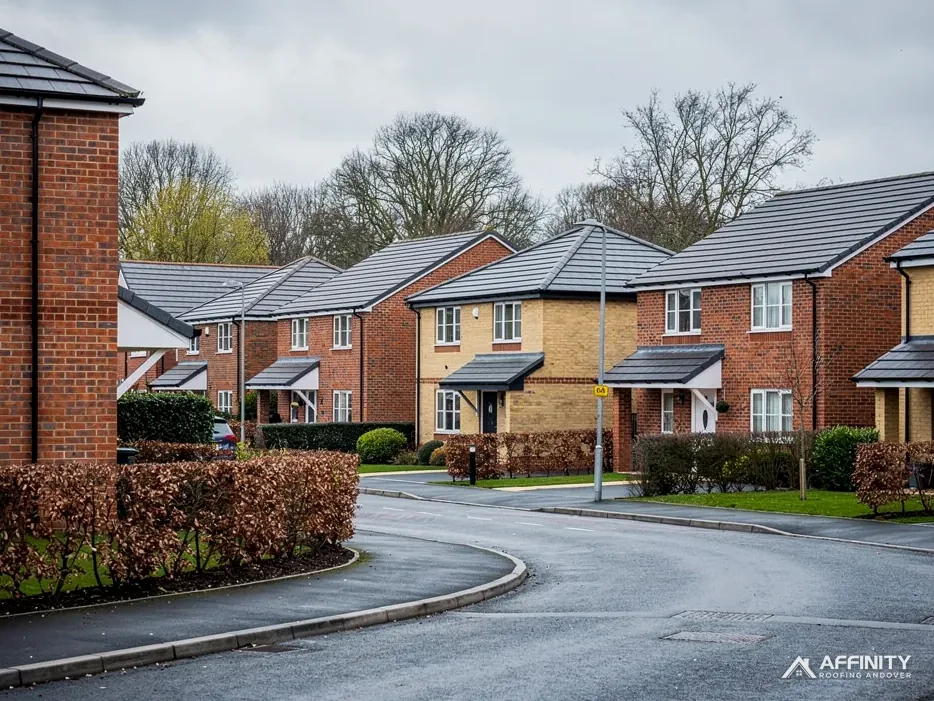
Beside the motte
A scheduled monument, the motte 250 m south-west of the church, stands within about 500 metres of the centre.
Hampstead Norreys between Compton and Hermitage
Compton lies to the north, Hermitage and Chieveley to the south-west, and Bucklebury and Cold Ash to the south. Bradfield lies beyond them.
- Distance
- 25.5 road miles north-east of Andover
- Planning
- West Berkshire Council
The Hampstead Norreys roof report
Local editionHampstead Norreys, BerkshireA church, a motte and old roofs
A Grade I church, a motte and the downs: what clears a Hampstead Norreys roof
Hampstead Norreys lies 25.5 road miles from Andover, to the north-east, within a National Landscape. This report covers the Grade I church and the scheduled motte, the law on nests and bats in old roofs, and West Berkshire's scaffold licence.
The church, the Litten and the motte
The Church of St Mary is the village's Grade I building, first listed on 24 November 1966 (list entry 1135735). The Litten (1117157) was listed Grade II on the same date, and Parsonage House (1135730) is Grade II as well. Historic England's list holds 17 listed buildings within 500 metres of the village point, which for a parish of 875 usual residents at the 2021 Census means a listed neighbour is close to almost any roof. The Hampstead Norreys conservation area lies within about 0.75 km of the centre, and the mapped boundary comes from West Berkshire Council.
A Grade I church follows its own consent route, set by who uses the building and under which denomination. The Church of England's own directory, A Church Near You, lists St Mary the Virgin here with a monthly pattern of worship, so the Church's faculty system governs its repairs, not the council's listed building consent. Only a closed church, or one in the care of the Churches Conservation Trust, would fall back on the council's process. Those who care for the building lead on its roof. Nearby houses are a separate matter, and for those the council is the first call. Our own part begins only when the right consent is on the table, with photographs of the existing roof and a plain description of what we propose.
The motte is a different kind of listing. Historic England records the Motte at Hampstead Norreys, 250 m south-west of St Mary's Church, as a scheduled monument (list entry 1007927), within about 500 metres of the centre. A scheduled monument is consented separately, with the Secretary of State as decision-maker. It is an earthwork, not a roof, so ordinary roof jobs in the village stand well clear of it, and we mention it only because anyone searching the national list will see it near the church. If a plot ever touches it, Historic England, which handles scheduled monument consent, is the body to ask, and we ask before we plan access.
For the houses, a listed house keeps the permitted development rights any house has, yet anything that alters its character needs listed building consent from West Berkshire Council. Our start is a repair in like materials, with the roof recorded before a single tile is moved. The conservation area and the National Landscape are both article 2(3) land, which narrows what can be done to a roof without an application. The listed building roof repairs guide covers the routes in more detail.
Nests, bats and old roofs
Old roofs are homes for more than people. A church, a barn or a farmhouse with deep eaves can hold nesting birds in spring and bats at other times, and the law treats both seriously. Under section 1(1) of the Wildlife and Countryside Act 1981, someone who intentionally destroys a nest in use, or one still under construction, commits an offence. GOV.UK adds that no licence exists for development or construction, so an active nest is itself the constraint.
Bats are protected more tightly. Regulation 43 of the Habitats Regulations 2017 makes it an offence to deliberately disturb a protected animal or to damage or destroy a breeding site or resting place, and for the second of those no intent is needed. Under section 9(4) of the 1981 Act a person who intentionally or recklessly disturbs a bat in a structure it uses for shelter, or obstructs access to it, is guilty. GOV.UK calls all bat species and their roosts fully protected, and lists roof repair or replacement among the work that may affect them.
None of that stops a roof being mended. It does shape how the survey begins. We look at the eaves, ridge and gaps behind fascias for droppings, staining, feathers and nest material, and at the roof space where it can be reached safely. No gap is filled or closed until it has been looked into, because blocking access can itself be an offence. We apply the same check to every house in the village, whatever its age, because the law protects the roost and not the building. If we see signs, the work stops until proper advice has been taken, and the photographs go with the question. We make no promise about a licence, because whether one is needed is for the specialist advising on the particular building.
Birds and bats also affect timing, and a gap that looks empty in winter may not be in summer. A nest in use may mean part of a job waits. A bat find means a pause and a conversation, not a rushed decision, and the survey photographs are the first thing the adviser asks to see. Both are reasons to survey early, ahead of a booking, so that nothing is discovered with the scaffold already up and the crew waiting. A check at the survey costs nothing in time compared with a stop halfway through the job, and it gives you the facts to plan around. Gutter and fascia work around the eaves raises the same questions, and our guttering, soffits and fascias page covers it.
“In Hampstead Norreys a roof job can meet a Grade I church, a motte, nesting birds and bats.”
West Berkshire, BCS and a scaffold on the village road
In Hampstead Norreys West Berkshire Council plans, licenses the road and, through Building Control Solutions (BCS), delivers building control. BCS is the partnership of West Berkshire Council and Wokingham Borough Council, on 0300 790 0580. A registered approver is the private option. The Planning Portal's two limits, 25 per cent of the building envelope and 50 per cent of the roof, apply here as anywhere, and a new covering 15 per cent or more heavier needs approval. We take the measurements at the survey, so the question of whether BCS must be told is settled before a price is given.
The North Wessex Downs partnership has an advisory role in planning, so West Berkshire Council decides applications in the village even though all of it lies inside the National Landscape. For a repair nothing extra is filed with the partnership. For a change of roof shape, the designation matters, and Natural England is consulted by the council. A dormer, for example, is a question for the council's planning team.
The Environment Agency's Flood Map for Planning puts Flood Zone 3 within about 250 metres of the village point. The zone describes land, not a house, and its only effect on us is a closer look at gutters and downpipes. Where a downpipe discharges onto a path or into a soakaway, we photograph that point as well.
Scaffold on a village road is licensed under section 169 of the Highways Act 1980, and for Hampstead Norreys the licensing body is West Berkshire Council. West Berkshire Council charges £125 plus £71 per week and asks for ten working days before erection. A private road, its page confirms, is outside the licence. Dates are fixed with you first, then the scaffolder gets the licence moving, and its cost stays within your one total.
Timing in a village with a listed centre needs thought. Consent for a listed house can take weeks, and the licence application is held until it arrives, since scaffold ordered early costs money while it stands unused. Weather adds its own delays, and when a day is lost we tell you what moved and what the new date is. For the work itself, roof repairs and lead roofing are the services we expect older Hampstead Norreys houses with worn flashings to call on, and both begin with the same survey and photographs. HomeBuilding (September 2025) gives lead on a flat roof 60 to 100 years, which shows why old lead is worth repairing where the sheet is sound.
Roof work we do in Hampstead Norreys
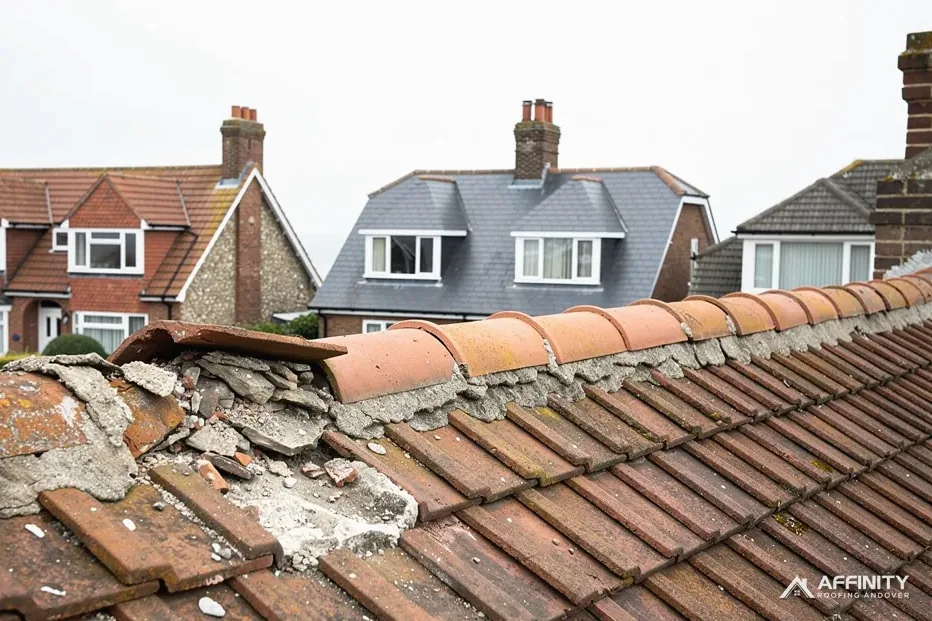
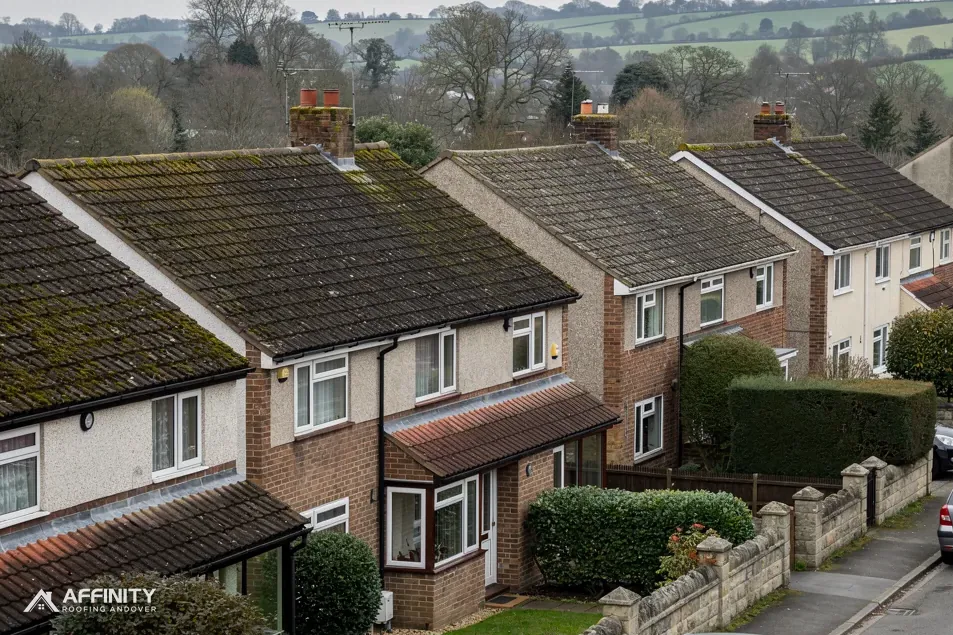
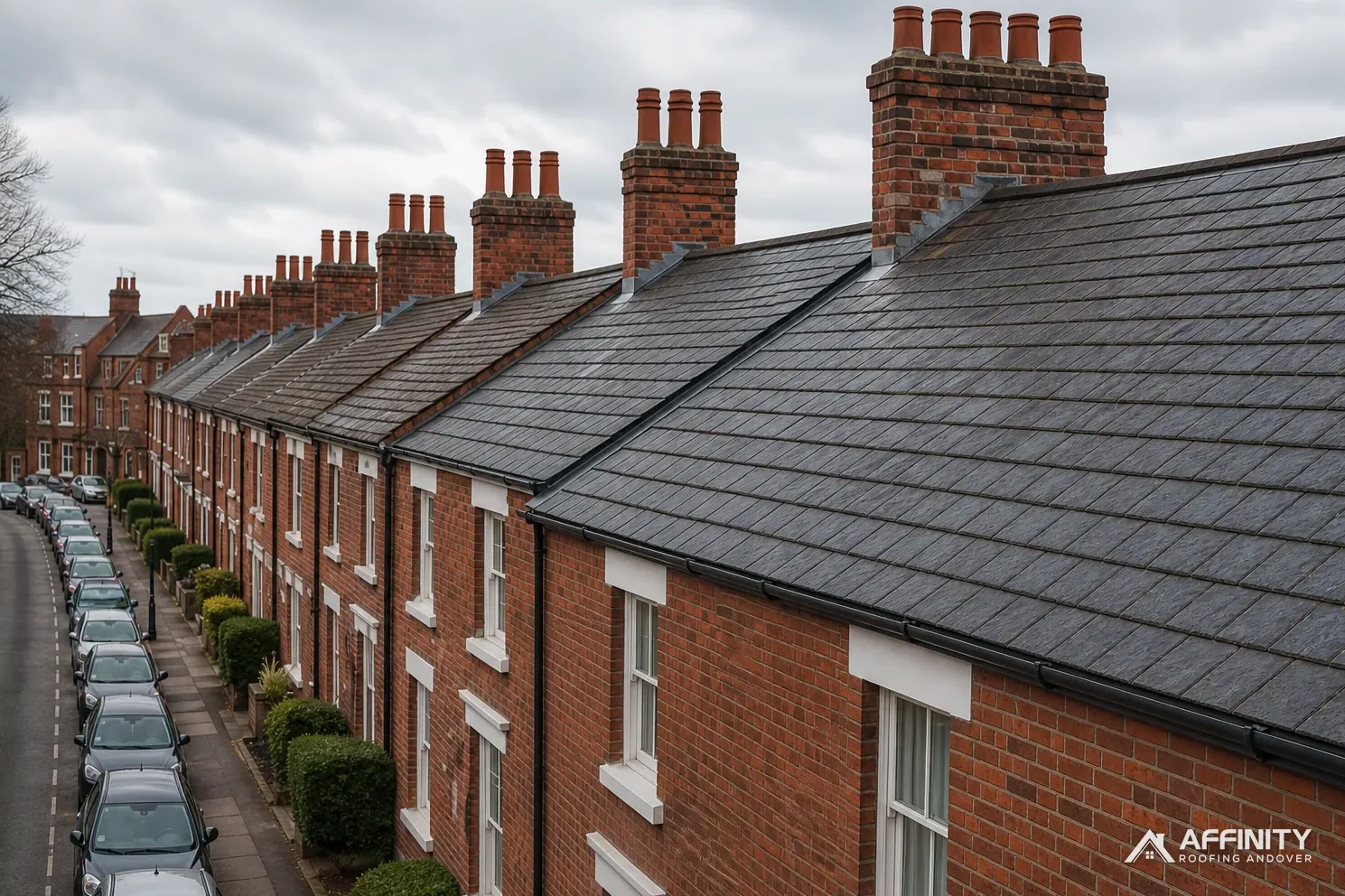
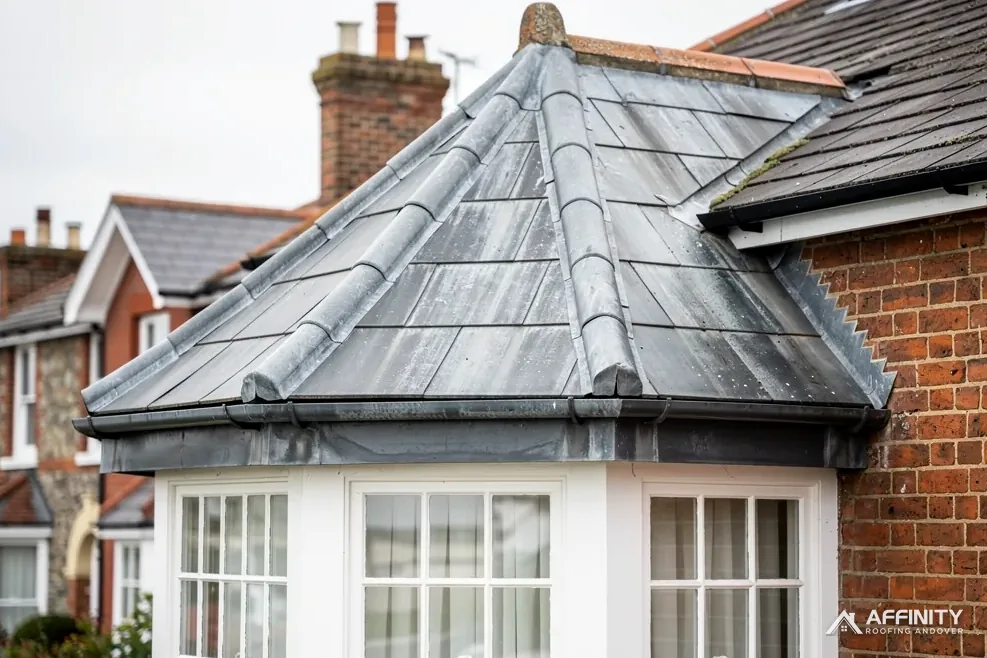
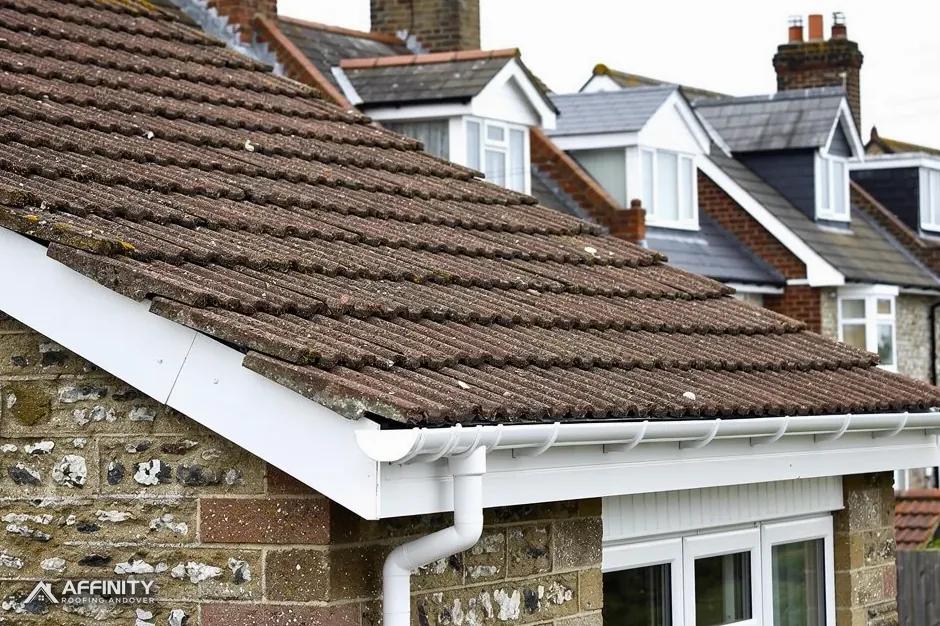
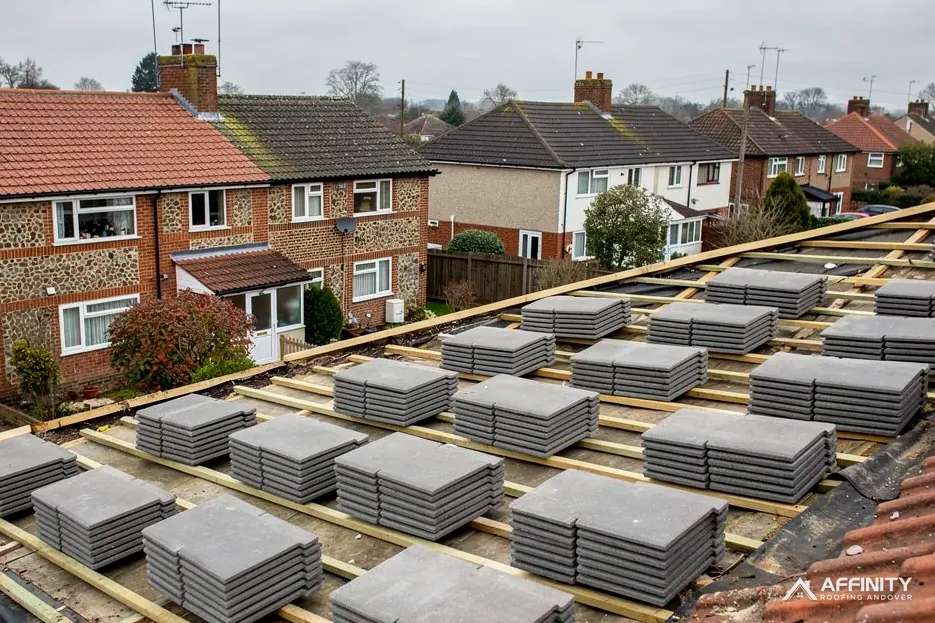
Hampstead Norreys roofs: old tiles, nests and the downs
Does the scheduled motte near St Mary's affect a Hampstead Norreys roof job?
Scheduled monument consent is for works to the monument itself. The motte is 250 m south-west of the church, a distance that keeps ordinary roof jobs in the village clear of it. Where a plot does touch it, West Berkshire Council's planning team and Historic England are the people to ask, and we ask before access is planned.
Can birds nesting under the eaves delay a roof repair?
They can. Under section 1(1) of the Wildlife and Countryside Act 1981, someone who intentionally damages a nest in use or still being built commits an offence. We look for nests at the survey and plan the work around any that are active, instead of moving them, and we photograph what we see so the plan is clear to everyone on site.
What happens if bats are found during a repair in Hampstead Norreys?
Work stops and advice is taken. GOV.UK says all bat species and their roosts are fully protected and that repairing or replacing a roof can affect them. Regulation 43 of the Habitats Regulations 2017 covers roost damage without any need for intent. We photograph the signs and note where the access is. Whether a licence is needed depends on the case, so none is promised.
What notice does the council need before scaffold goes up in Hampstead Norreys?
Ten working days, according to West Berkshire Council's page, which sets the licence at £125 plus £71 per week and exempts private roads. We agree dates with you first, and the scaffolder handles the licence, whose cost is included in your single total, so no separate bill arrives, and a delay in the weather never turns into a surprise charge.
Around Hampstead Norreys, from Compton to Hermitage
Ask for a Hampstead Norreys roof survey
Say which house it is and add a photo. We survey, name the consent route, then give one written price.
10-year workmanship guarantee, in writing.