The short answer
A roof window has no single lifespan, because the frame, the glazing, the seals and the flashing around it all age at different rates. In practice the sealed glass unit and the waterproofing at the edges tend to need attention before the frame does. Any figure a seller gives is a guide, and a manufacturer's warranty period is not a promise of how long the window will last.
Why one number cannot be trusted
A roof window is not a single material the way a slate or a clay tile is. It is a timber or polyurethane-coated frame, a hinged sash, a sealed double-glazed unit, a layer of gaskets and a metal flashing that ties the whole thing into the roof covering. Each part has its own working life, and each one is exposed to sun, rain, frost and condensation on the slope.
Different models also differ. A basic window in a sheltered position will not age like a large, heavily used window facing the afternoon sun. How often the sash is opened, how well the paintwork or coating is kept up, and how the window was fitted all feed into the result.
For that reason we do not give a year count for roof windows. When you want a rough comparison, remember that the materials above and below it on the roof run to decades. HomeBuilding gives natural slate 50 to 80 years (reclaimed Welsh) up to 100+ (Welsh). The window in that roof is not expected to match it, so planning for a window replacement at some point inside a roof's life is sensible.
Seals go first, then the flashing
The sealed glazing unit is a pair of panes with a gap between them, closed at the edge by a seal. When that seal fails, moist air gets into the gap and you see mist or droplets between the panes, a fault that cannot be wiped away. Our answer on a misted roof window explains the cause and the usual fix.
The rubber or foam gaskets around the sash harden and shrink with age and sun. A window that begins to whistle in wind, let in a draught or leave a damp line along the frame is telling you the gaskets are tired. They can sometimes be replaced without changing the window.
The flashing deserves a mention of its own. It is the metal surround that carries rain around the frame and over the covering, and it is one source of leaks around a roof window. A window can have plenty of life left in its frame while the flashing, or the felt and lead beneath it, has failed. Renewing the flashing is a lighter job than fitting a whole new window.
What shortens a window's life
Several things take years off a roof window, and most are about upkeep. Condensation that runs down a timber frame and sits on the sill will soften the wood, and it often shows as dark staining or paint lifting at the bottom corners. Frames of that kind need their coating kept sound, following the maker's advice.
Poor fitting is the next cause. A frame that is not square, or sits proud of the covering, or has flashing lapped the wrong way, lets water in from the first winter. Nothing in a window's design will save it from that.
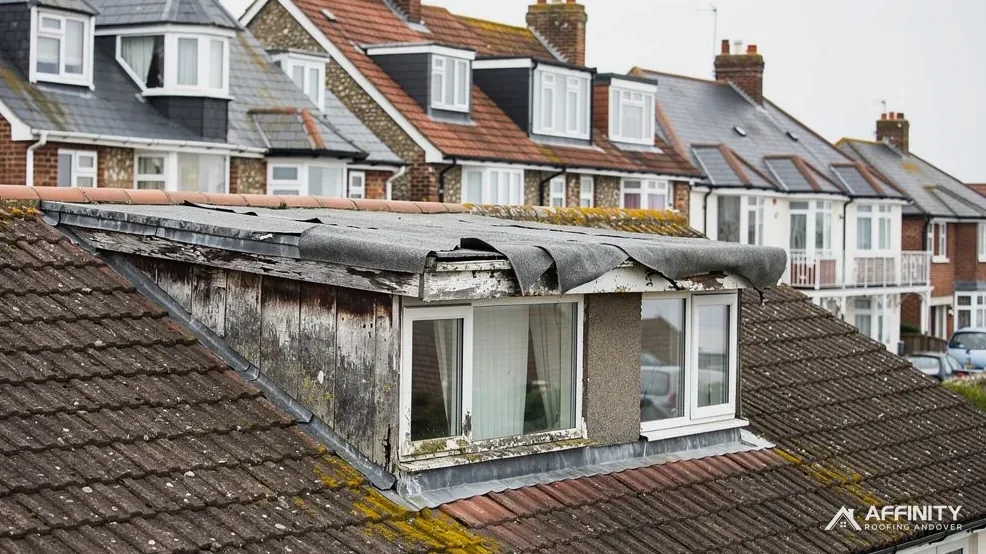
Moss and debris piling above the window hold water against the flashing and keep it damp, and a jammed or forced hinge or motor wears the moving parts faster than normal use would. Where a roof window is next to a failing roof covering, the whole slope often needs looking at together.
It is far cheaper to catch these early than late. A yearly look at the frame, the sealant and the glass from inside the room costs nothing, and a note of any change helps when you speak to a roofer.
Warranties, replacement and what to do next
A manufacturer's warranty states what the maker will cover and for how long. That makes it a statement of cover, never a forecast of the years the window has left, and it often applies to the glazing or a specific part, not the whole assembly or the installation. Read what it covers, and keep your receipts and the model number.
When a window does reach the end, the choice is between repairing the weakest part and replacing the lot. A failed seal may mean a new glass unit alone, as set out in our answer on replacing the glass in a roof window. A tired frame, a rotten sill or a flashing that is beyond patching points towards a complete window.
Replacement is also a chance to improve what the room gets. A new unit can bring better thermal performance than an older one, and the opening style can change if the room would benefit.
We survey the window from the loft and from the roof, show you photos of what we find, and set out the repair and the replacement as clear options. Our roof windows and skylights page covers the full service.