The short answer
Make every quote describe the same job: the same slopes, the same covering and the same extras. Then compare one total price per firm, whether the price carries VAT and scaffolding, what happens to the waste, and whether a survey with photographs sits behind the figure. Citizens Advice recommends at least 3 written quotes. A wide gap usually means different scopes.
Fix the scope first
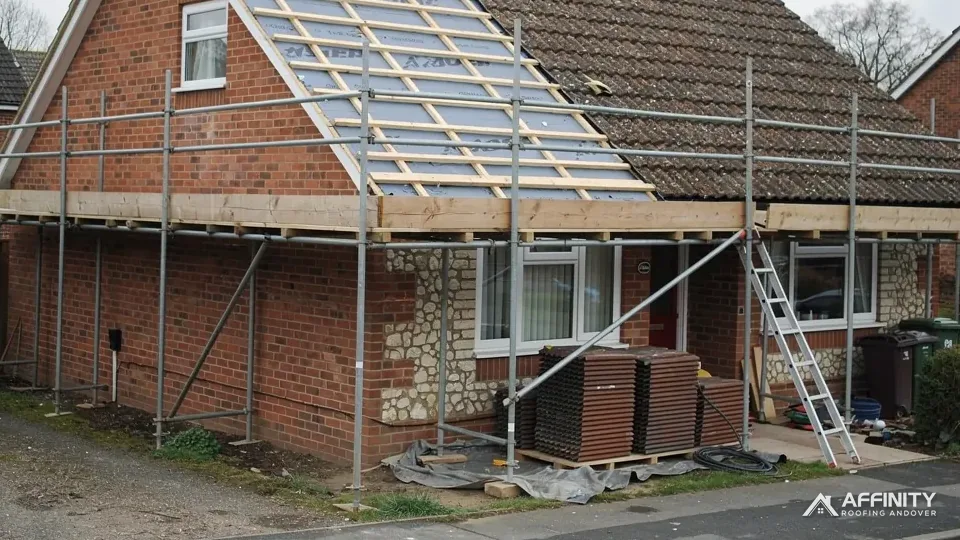
Before you weigh a single figure, write down what you want. Say which slopes are coming off, which covering goes on, whether the chimney, flashings and guttering are included, and what is expected of the underlay and battens. If three roofers hear three different briefs, their prices will differ for reasons that have nothing to do with value.
Give every firm the same brief and the same access to the roof. Ask each to survey the roof, loft included, rather than quote from the road, because the state of the timbers, the pitch and the way in decide the real work.
Citizens Advice recommends getting at least 3 written quotes from different traders, which is a sensible floor for a job this size. It works best when each quote answers your scope and not its own.
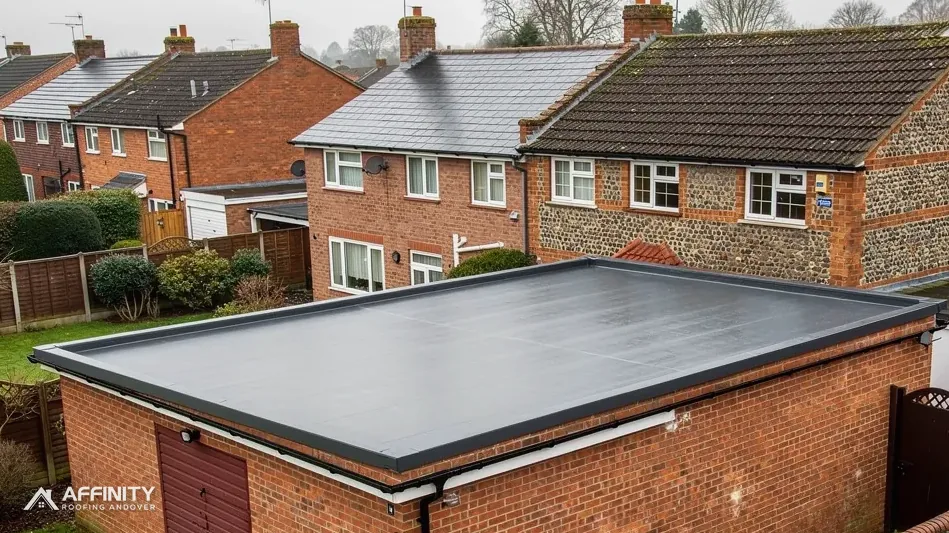
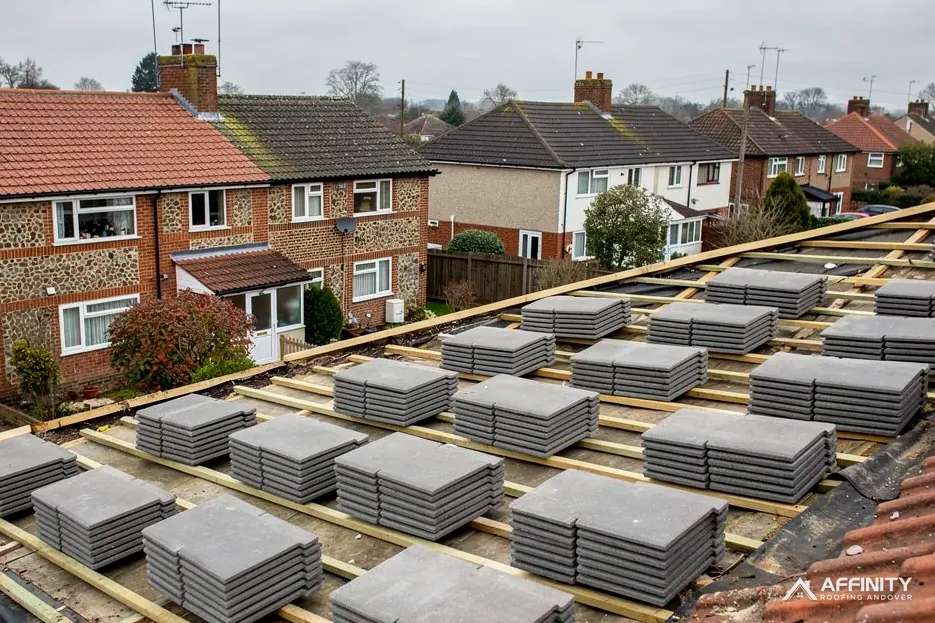
The covering is a major variable. Plain concrete tile, clay tile, Welsh slate and Spanish slate are separate products with separate prices and lives. If one quote quietly names a different covering, it is not a rival price for your roof; it is a price for another roof.
The roof replacement process guide lists the stages a full scope should cover.
A single figure and what sits inside it
Each quote should close on one total for the whole job, and ours does. A quote that leaves large items open to be added later is not yet a price.
Check what the total covers. Ask whether VAT is in; the standard rate is 20%, so VAT is a sixth of a gross total, and an ex-VAT figure looks lower for no reason beyond the tax. Ask whether scaffolding is in, because access equipment is a real cost that some quotes leave out. Ask who removes the old materials, and whether the site is cleared at the end.
Which? figures are ex VAT, so set any comparison with a gross quote on the same basis before you decide one is cheaper.
Look at what each firm says about the unknown. Rotten battens, weak rafters and hidden lead can surface once the roof is stripped. A careful firm explains how extra work will be agreed with you, in writing and with photographs, before it is carried out.
Payment terms belong on paper as well. Ask which payments fall due at which stages and what is held until the job is finished and tidy. If a firm resists writing those terms down, ask why before you sign.
Why the totals sit so far apart
National guides show how wide the spread is. Which? (Nov 2025) gives a typical UK range of £7,000 to £21,000, ex VAT, for re-roofing a typical three-bedroom house in full. HomeBuilding (Sep 2025) puts a 65 m² three-bedroom semi in plain concrete tiles at between £10,000 and £15,000 including labour, scaffolding and insulation, with Welsh slate on that house possibly reaching £18,000. MyJobQuote (Oct 2026) says around £5,250. The sources disagree, so treat each as background and not as a price for your roof.
The causes are the roof's size and complexity, the covering, the awkwardness of access, the amount of timber repair and what the scope contains. A dormer, a hip, a chimney and a valley each add work, and a tall house costs more to scaffold than a bungalow.
When two quotes sit far apart, ask both firms to explain the gap against the scope. It may come from a different covering, a different underlay, scaffolding left out, or a survey that never took place. A figure with no survey behind it is a guess.
Questions that level the field
A short list puts every firm on the same footing. Did you survey the roof, including the loft? Can I see pictures of what you found? Which covering, underlay and fixings are named? Is the price one written total including VAT and scaffolding? Who applies for any scaffold licence? What happens to the old materials, and how are changes agreed?
The licence answer depends on the highway authority. On Hampshire County Council's licence page the scaffolding firm is the applicant, and the council wants 10 clear working days before the licence starts. Wiltshire Council routes applications from the scaffold supplier through MiPermit, its online portal. West Berkshire Council likewise expects the scaffolding provider, not the resident, to apply. Elsewhere, ask who applies. Private land is different: no licence is needed there.
Ask about the contract too. If the contract is agreed at home after the survey, the 14-day cancellation right applies, and the firm should tell you so in writing.
Take your time. The right quote matches your scope, explains itself and rests on what the roofer found on your roof. Our new roof cost answer sets out the typical ranges, and the roof replacement page describes how we work.