The short answer
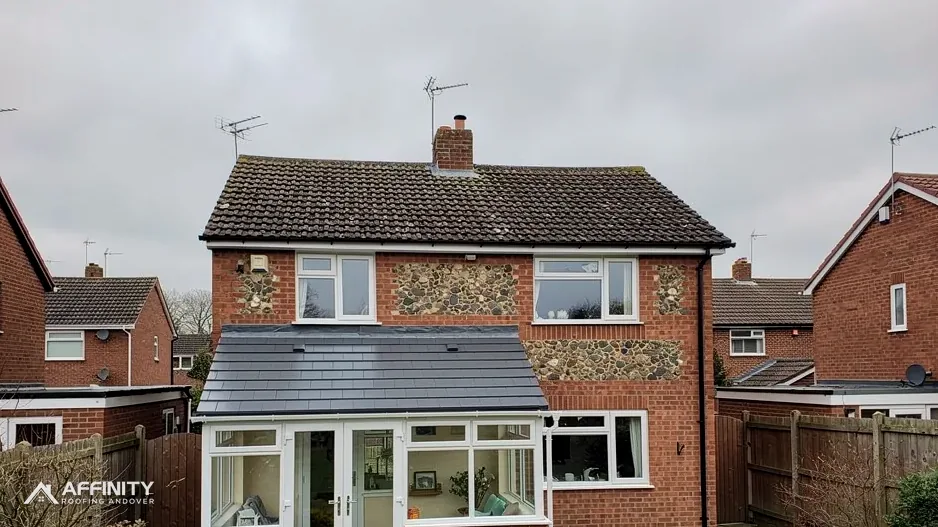
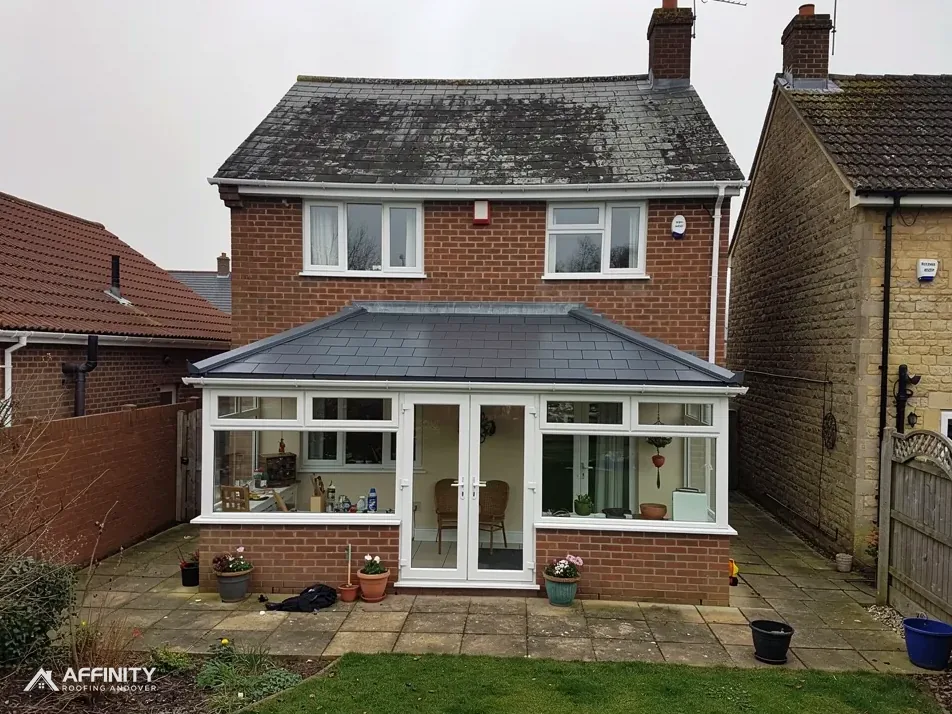
Yes, it will. A tiled roof is solid, so the daylight that came down through the glass now arrives only through the walls, any lantern and any roof windows. The room stops being a glasshouse and becomes a room with a ceiling. Roof windows or a lantern, pale walls and well-placed lighting put much of the brightness back, and the room gains comfort in exchange.
Where the light was coming from
A glazed conservatory roof lets in light from above for the whole day. The sky is a large, even source, and light from overhead reaches the middle of the room and the back of it, not just the glass walls. Replace the glass with tiles and plasterboard, and that source is gone.
What remains is what comes through the side walls and doors. A conservatory glazed on three sides still has a lot of daylight, but it comes in from the edges, and the part of the room next to the house wall may be much dimmer than before.
The effect depends on the room. A conservatory with large windows facing south loses less than one that is shaded by a tree or the house itself. A north-facing room that already relied on the roof for most of its light loses more.
It also depends on how the room is used. A dining room used in the evening cares less about daylight than a reading room used at noon. Think about when you are in the room and what you do there.
The honest picture is that a solid roof gives you a room, not a glasshouse, and it should be chosen for that reason.
Putting light back with roof windows and lanterns
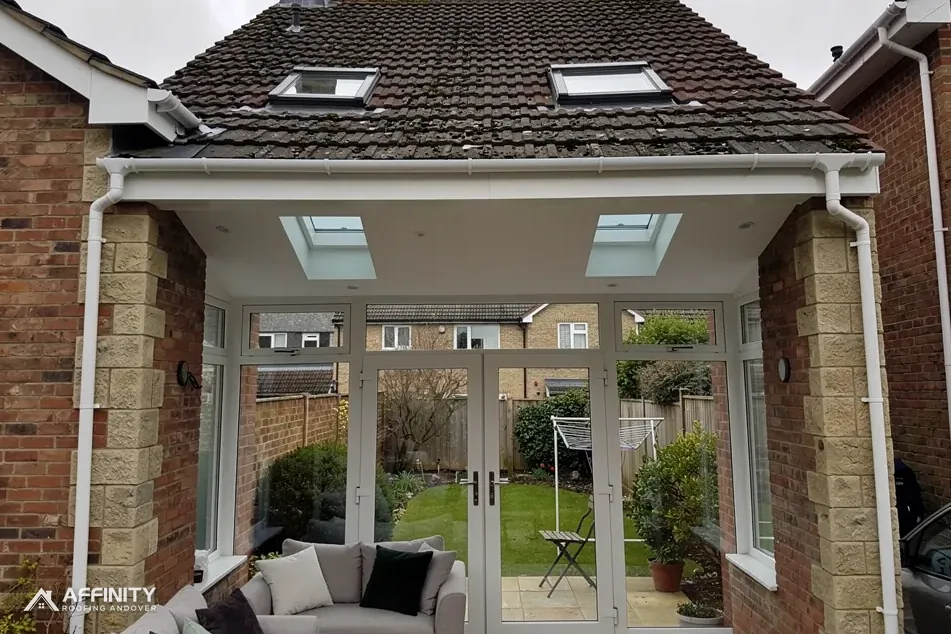
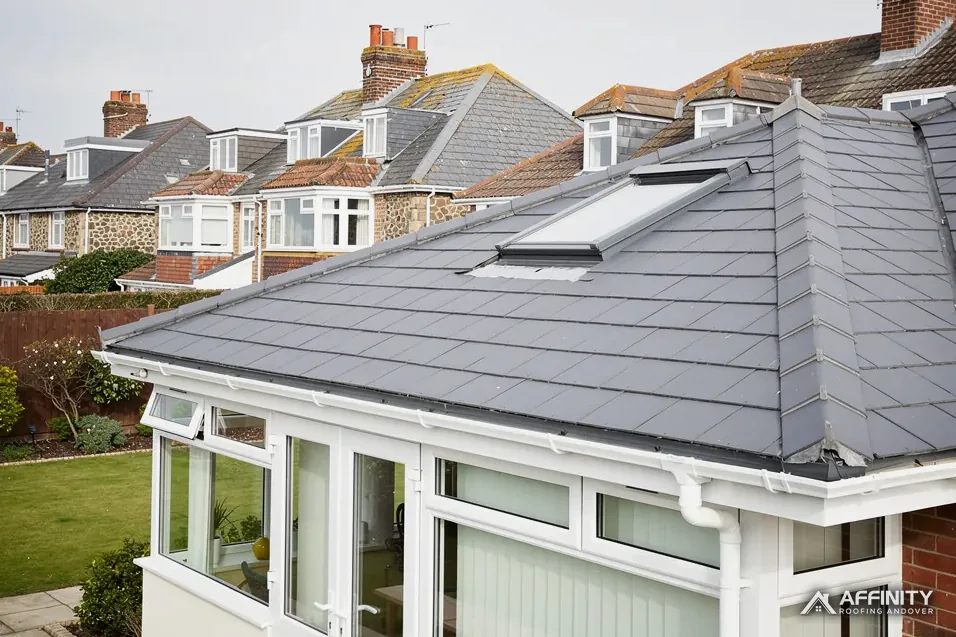
A solid roof does not have to be dark. Roof windows set into the slope bring in light from above, and a lantern, a raised glazed structure on a flat or low section, gives a pool of light in the middle of the room. The pair can bring the room much closer to its old brightness.
Roof windows and lanterns come in many sizes, and the number and position are design choices. Facing them to catch the sun, and keeping them away from the hottest part of the day on a south slope, gives the best result. Our answer on a roof window in a conservatory roof covers how they are framed, and the guide to a solid roof with a lantern shows the larger option.
Rooflights and roof windows are glazing, so Approved Document L holds them to U-value limits. Roof windows are held to 1.4, or a Band B Window Energy Rating. Rooflights have a separate limit of 2.2. Both add cost and framing, which is why they are worth discussing at the start.
A lantern lets light fall from above across the room. A roof window gives a patch of light that moves with the sun.
Lighting and decoration
Artificial light fills the rest. A plastered ceiling takes recessed spotlights, wall lights and pendants, so the room can be well lit on a dull afternoon or after dark, which a glass room never was at night. Switching and dimming give you control over the mood.
Decoration matters more than people expect. A pale ceiling and pale walls reflect light deeper into the room, and a matt finish spreads it more softly than gloss. Mirrors on the house wall bounce light back from the glass walls. Dark floors and furniture absorb light, and lighter ones return it.
Glazed doors and wide windows in the side walls carry the light that remains. Keeping them clear of planting and heavy curtains helps, and so does cleaning the glass.
If you are replacing an old, clouded polycarbonate roof, the room may already be dimmer than you think. Fresh glass or a well-lit solid roof can look brighter than the tired sheets you remember.
We survey the aspect and the shading before we suggest where openings should go, and we photograph the room so you can see what we mean.
Deciding between glass and tiles
Think about what the room is for. If you want a bright sunroom for plants and long views of the sky, a glass roof with solar control and ventilation is a good fit. If you want a room that is warm in winter, quiet in rain and usable all year, a tiled roof with openings is the likelier answer.
A compromise is possible: a solid roof over the part of the room next to the house, and a lantern or glazed section above the sitting area. It suits an L-shaped or deep conservatory well.
Each choice has weight, approval and cost implications. A tiled roof is heavier and must comply with the Building Regulations, and our guide to conservatory roof options compares them side by side.
Come to the decision with the room in mind. Note how much light it gets in the morning and the afternoon, where the sun falls and what you do there. That tells us more than a floor plan does.
The conservatory roofs hub explains the survey, and our written price follows the visit.