The short answer
A conservatory roof usually leaks at a joint, not through the glass or sheet. The usual places are the glazing bar caps and gaskets, the ridge where the slopes meet, and the flashing along the house wall. Repair works when the frame is sound and only seals or a flashing have failed. Replacement is the better route when the bars have corroded or the sheets have failed.
Finding where the water gets in
A drip rarely appears where the water entered. It runs along a bar, down a slope or behind a trim before it falls, so the visible wet patch can be a metre from the fault.
Work from above. In the dry, look at the roof from a ladder against the wall, never standing on the glazing. Look for lifted caps, cracked or shrunken rubber, gaps at the ridge and a flashing peeling away from the brickwork. Then think about when it leaks, and keep a note of the weather each time, because the pattern points to the joint. If water appears soon after rain starts, the entry is probably near where you see it. If it appears after a long spell of rain and keeps dripping, water is probably trapped in a channel or a cavity and is draining slowly.
A hose test helps. Wetting the roof in sections, from the bottom upward, while someone watches inside, can narrow the area. Start low, so you do not flood several joints at once and lose track of which one is leaking.
We use this method on the survey and photograph each suspect joint, so the repair is matched to what is found and not guessed. A short video of the drip from inside, with the rain audible, is a useful extra when you send us the first photos.
Glazing bars, the ridge and the wall flashing
Glazing bar caps and gaskets are the first suspects, because they cover a long run of joint and weather every day. A cap that has lifted or a gasket that has shrunk lets rain past the glass edge, and our answer on glazing bar leaks covers them in detail.
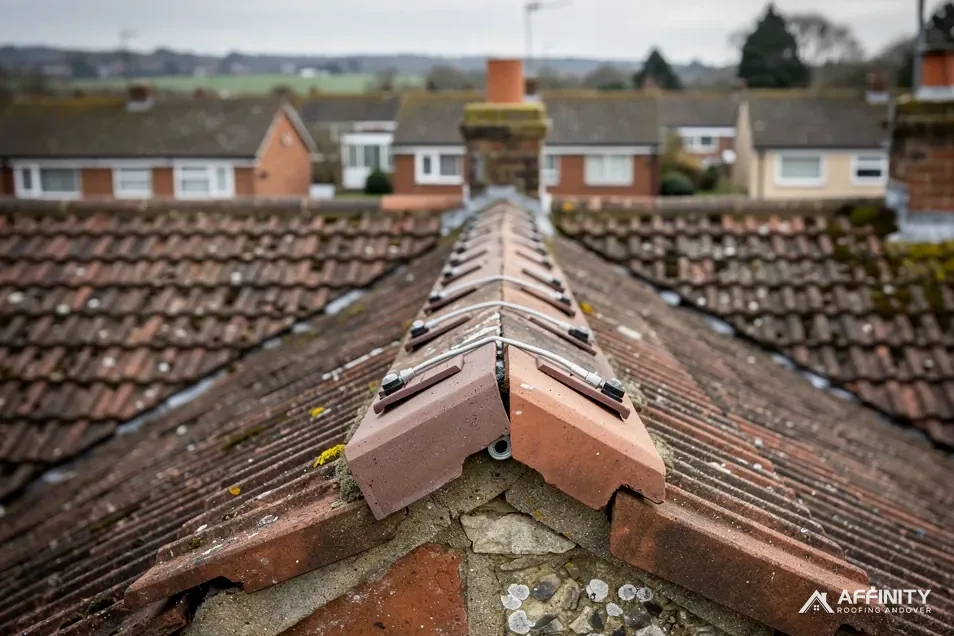
The ridge is the next place to look. It is where two slopes meet and where bars end at a ridge piece, so it has more joints in a short space than anywhere else. Movement in the frame opens the seals, and a ridge cap that has loosened can leak into the room without any obvious sign from outside.
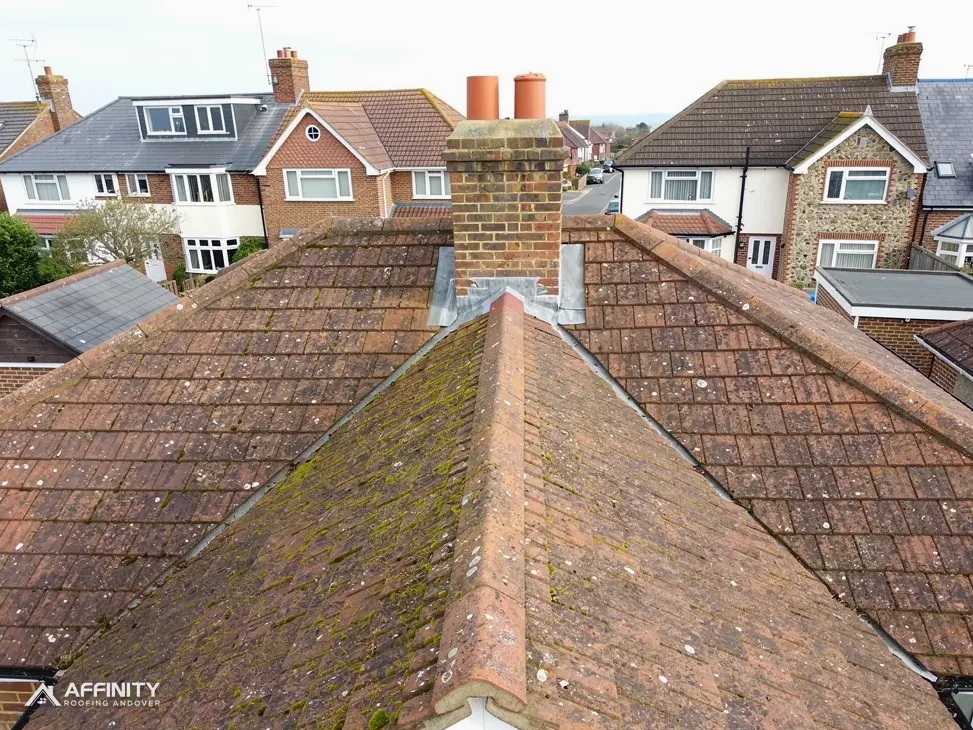
The wall flashing is the strip, often lead or a sealed aluminium trim, that bridges the roof and the house wall. If it lifts, water runs down the wall behind it and into the room at the junction. Brick wall stains above the roof line are the clue. Our guide to conservatory wall flashing explains the details.
Less often, a blocked box gutter or an overflowing gutter is the real cause, so we check the drainage as well.
What a repair can do
Repair makes sense when the frame is level, the metal is healthy and the failures sit in seals, caps, a flashing or a few units. New gaskets, re-bedded caps, a replaced flashing or a re-sealed ridge can restore a dry roof for a small share of the cost of a new one.
The limit is age and condition. If the sheets are cloudy and brittle, or the bars have corroded, one repair tends to be followed by the next, because the surrounding parts are failing at much the same rate. Patching a tired roof moves the leak along the bar.
Be wary of a tube of sealant as a fix. Sealing over a clogged channel sends water elsewhere, and a thick bead over a cap makes later repair harder.
We separate what has failed from what is merely old and show you the difference in photographs. You can then decide on repair, or on the longer-term cost of repeated visits. Our guide to conservatory roof repair sets out the choices, and the conservatory roofs hub covers replacement.
When to stop repairing and replace
A roof is ready for replacement when several bars leak, the glazing has misted or clouded, the frame has moved, or each repair brings another leak within a season. At that point the repair bill adds up to more than a roof, and the room is still not dry.
Polycarbonate is judged by age as well as condition. HomeBuilding gives it a typical life of 10 years, and The Eco Experts say about 10 to 15. A roof at that age with failed seals is nearing the end of what repair can do.
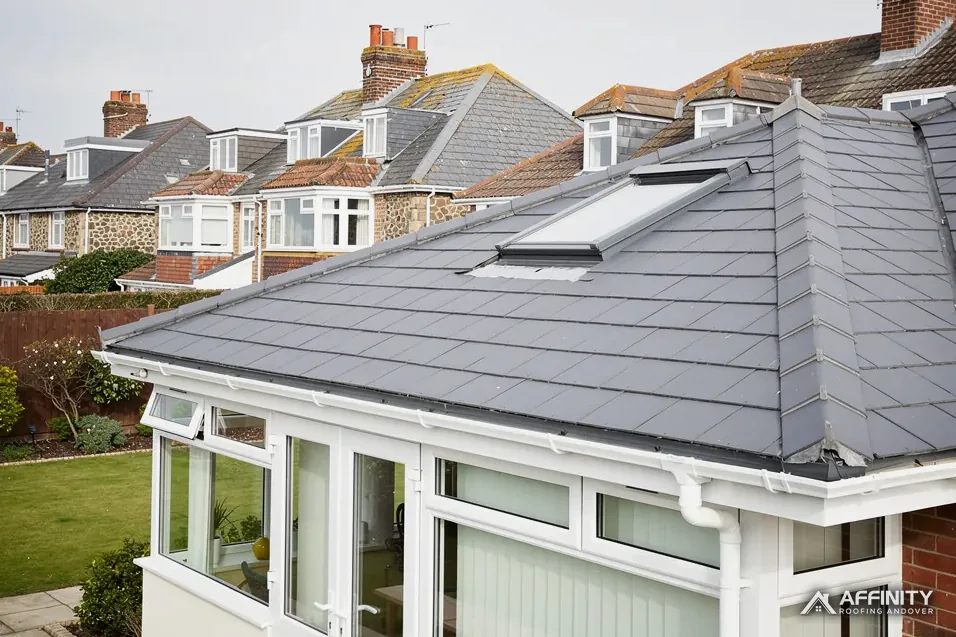
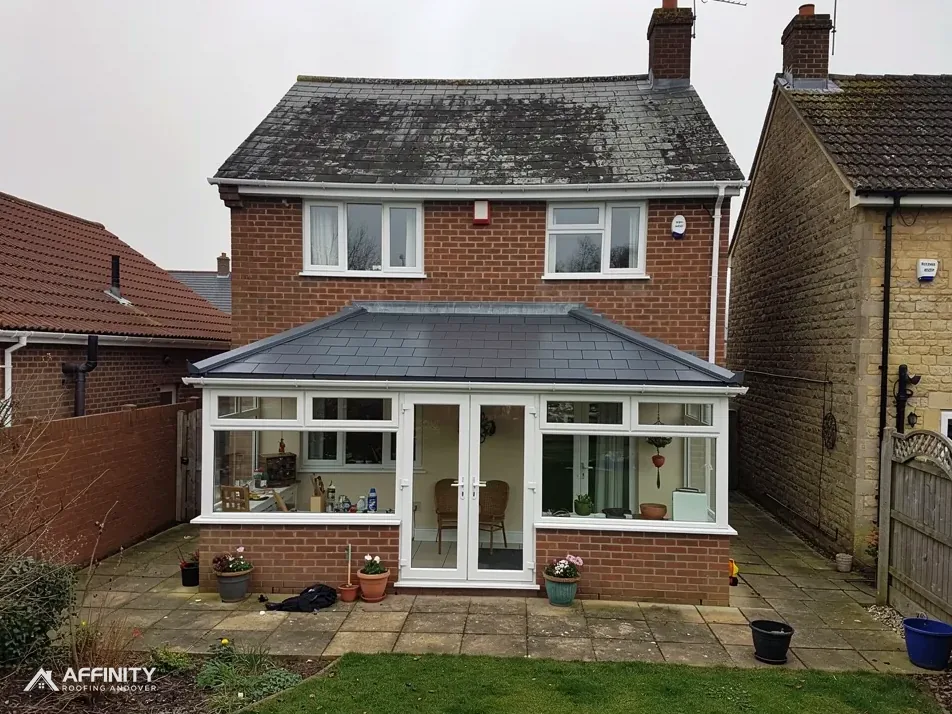
Replacement lets you change the type of roof as well. A glass roof, a new polycarbonate roof or a solid tiled roof each handle water differently, and a solid roof removes most of the glazed joints that cause leaks. It also brings extra weight and needs Building Regulations approval.
In its October 2026 guide MyJobQuote prices a conservatory roof replacement at £3,200 to £6,000, a typical UK range. The price for your roof depends on size, type and access, and you get a single written total after our visit.