The short answer
It depends on the size, the type of roof and what the survey finds, so any figure given before the survey is a guess. A like-for-like polycarbonate or glass swap is a smaller job than a solid roof with a new structure, insulation and plastering. Building control visits and the weather also set the pace. We give you the programme with the written total.
Size and type of roof
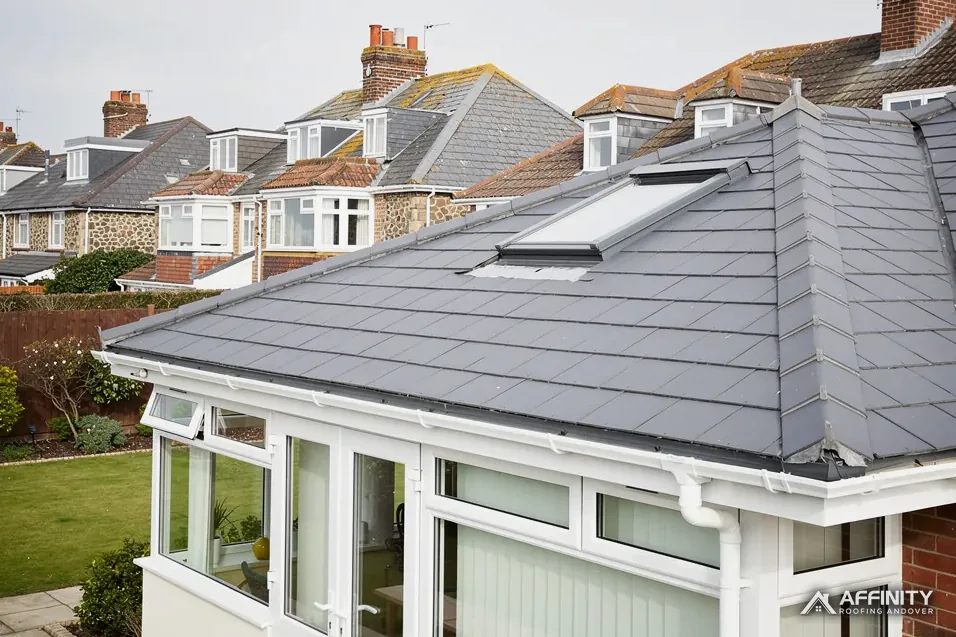
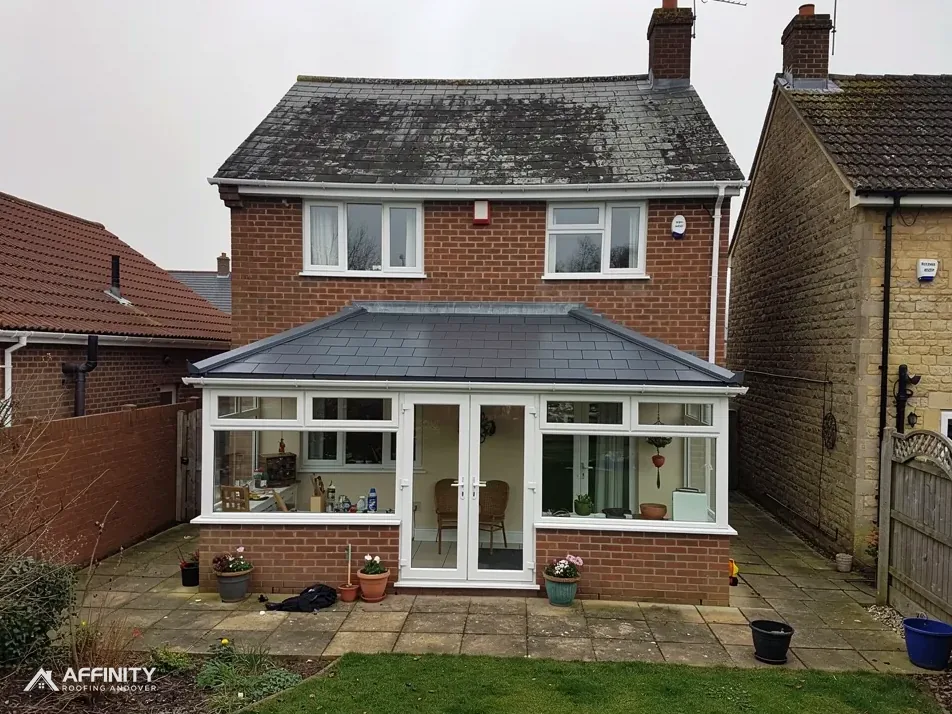
A small lean-to with polycarbonate sheets differs greatly from a large Edwardian conservatory with a hipped roof. The bigger the roof, the more panels, bars and junctions there are, and the more time goes on stripping, fitting and sealing.
The type of replacement matters as much as the size. Swapping like for like keeps the existing frame and bars where they are sound. A glass roof needs careful lifting and fitting, and units are made to measure. A solid roof is a build-up of layers: a structure of rafters, insulation, membranes, battens and tiles, with plasterboard and finishes below. Each layer is a stage, and some stages have to dry or cure before the next goes on.
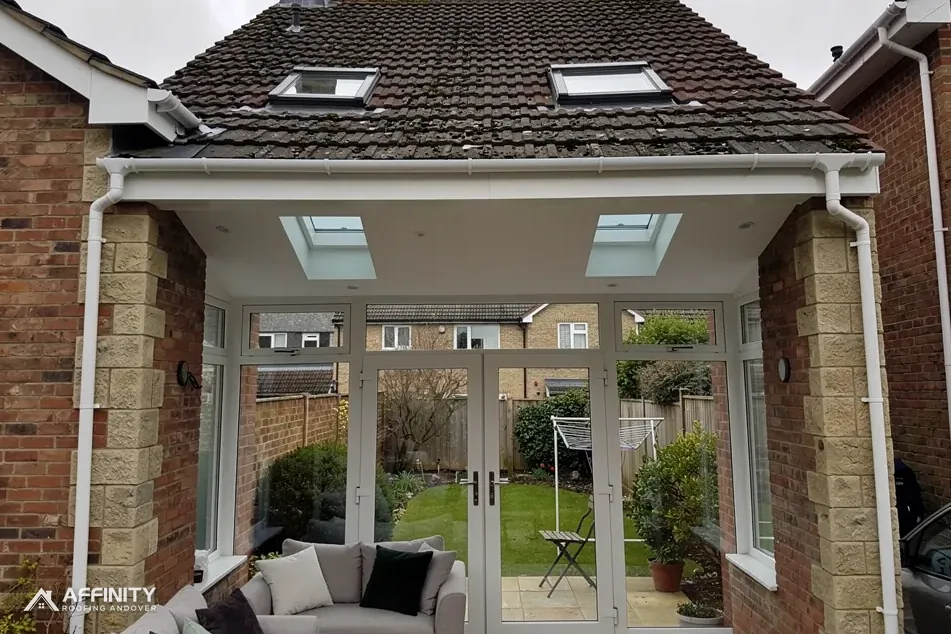
A lantern or roof window adds framing around the opening and its own flashing. The framing is set out in the guide to a solid roof with a lantern. Electrics for downlights, if you want them, mean a visit from an electrician before the plasterer.
A number of days only means something once the survey is done.
Access plays a part too. A conservatory behind a terrace, with everything carried through the house, takes longer to strip and fit than one with a side gate and a clear path for materials and skips.
Preparation, strengthening and made-to-measure parts
Work often begins before the old roof comes off. Scaffold or a tower goes up, the room is cleared and protected, and the structure is checked. If the survey finds that the dwarf wall or frame needs strengthening to carry a heavier roof, that is extra work on the programme, and our answer on dwarf wall strength explains why.
Made-to-measure parts have a lead time, which is set by the maker and not by the weather. Glazing units, lanterns and special bars are ordered after the final measurements are taken, so the order cannot be placed until the survey and the choice are done. A roof window or a Velux-type unit may have its own delivery period.
That lead time can be longer than the fitting itself, and it is easy to overlook when planning. If you want the roof finished by a certain date, tell us at the start, and we will say which parts decide whether that is realistic.
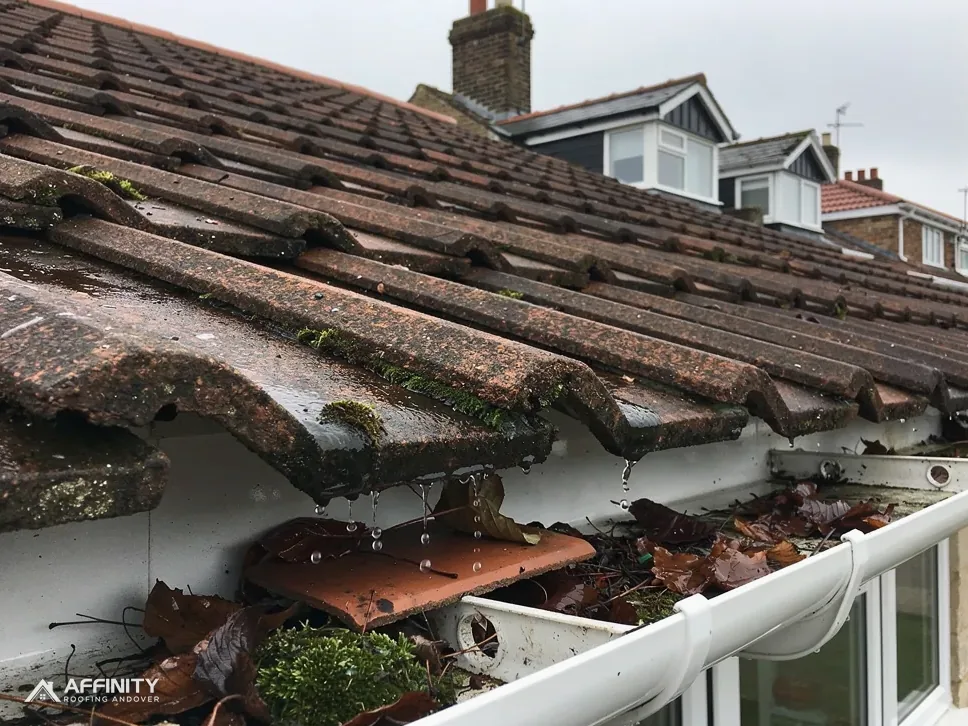
Where timber is replaced, it should be dry when it is covered, which can add a stage. If the survey finds rot in the plate or the rafters, we show you the photographs and agree the extra work before it begins, so there are no surprises on site.
Building control visits and the weather
The Building Regulations cover a solid replacement, so any application brings your building control body out to inspect as the work goes on. The body itself sets which stages it wants to see, so ask it at the outset. Those visits have to be booked, and the work can pause until one has happened.
Weather is the other factor that nobody controls. Rain stops work on an open roof, wind stops work with large panels, and cold affects sealants. A longer roof means more days of exposure, which is why a large job is done in sections.
For the details of winter work, our answer on replacing a conservatory roof in winter covers temporary cover and cold limits.
Neither visits nor weather makes sense as a reason to hurry. A roof closed up on a wet day, or covered before an inspection, creates problems that take longer to put right than the delay would have.
What we tell you before work starts
After the survey you get a written total and a programme in plain terms: the stages, the parts with a lead time, the inspections and the likely effect of the weather. We say which stages are fixed and which depend on others.
Any finish date we give is set against the weather and against other people's diaries, and we tell you if something moves, and why. A programme that is open about what it does not control is worth more than one that sounds confident.
Ask any roofer the same questions: what are the stages, which parts are made to measure, when are building control visits needed and what follows if the weather turns. Clear answers are a good sign, and vague ones are worth pressing on. If a firm offers a firm date before seeing the roof, ask what that date assumes about the weather and the inspections.
During the work the room is out of use, so plan where furniture goes, and cover or move anything you want to protect. The conservatory roofs hub explains the types of roof, and conservatory roof replacement cost covers the price side.