The short answer
The duty holder is whoever owns a non-domestic building or is responsible for maintaining it, and that person or organisation has to manage any asbestos in it. On a commercial roof that is often the owner or landlord, but a tenant whose lease makes them responsible for repair can share it. Until a survey says otherwise, treat an older building as containing asbestos. General information only.
Who counts as the duty holder
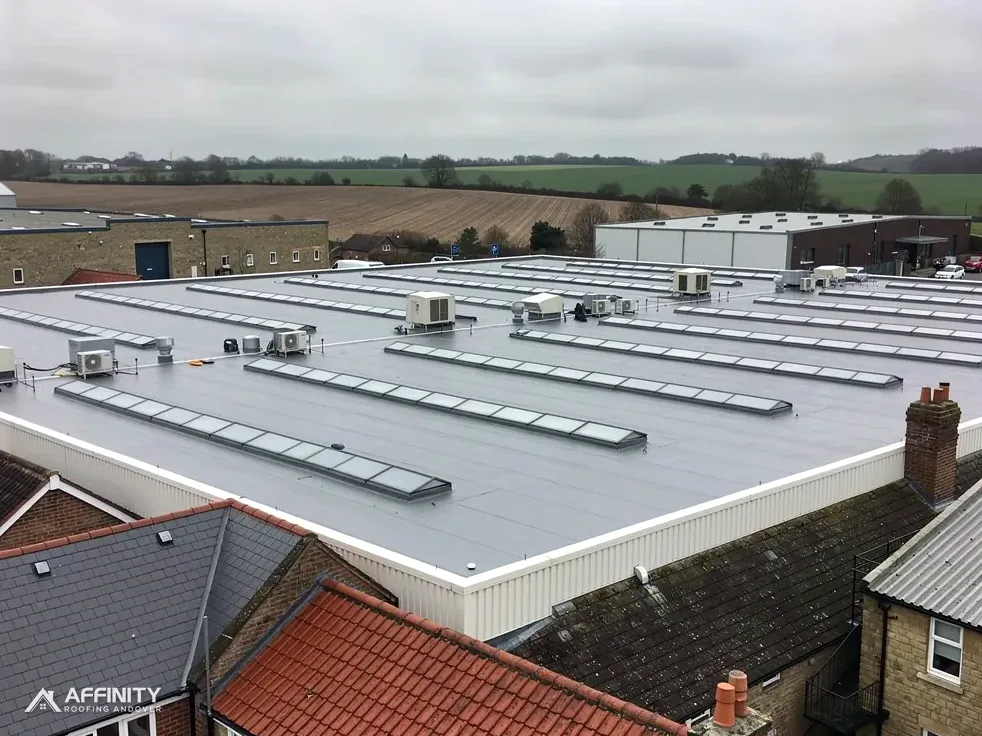
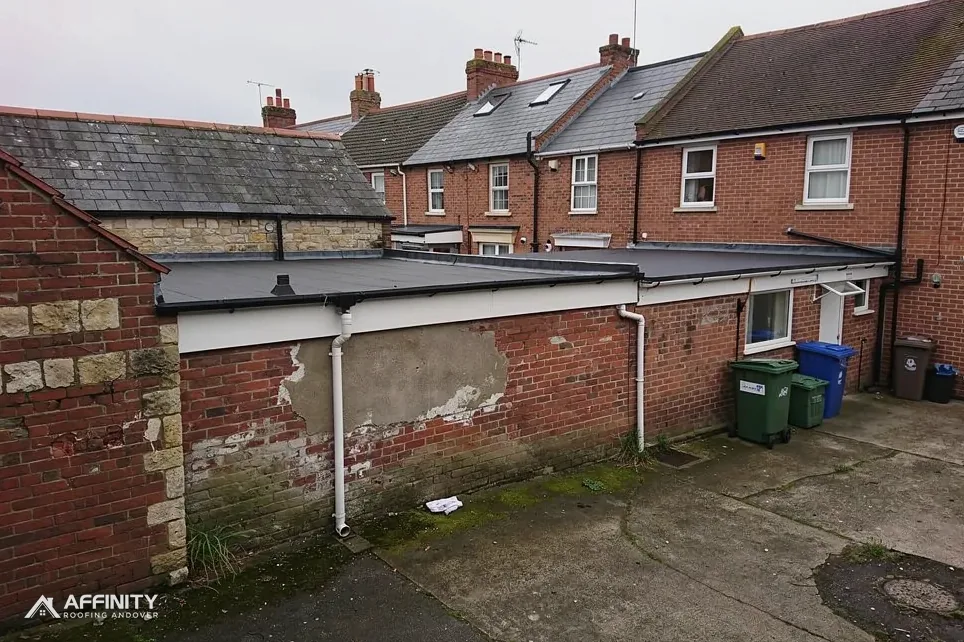
The duty to manage asbestos applies to non-domestic premises: factories, warehouses, shops, offices, farms and the shared parts of blocks. It rests on the person who owns the building, or who looks after its upkeep through a contract or a lease. In a let building the question becomes who the lease makes responsible for the roof and structure.
A landlord who keeps the structure in their own hands is normally the duty holder for the roof. A tenant on a full repairing lease may hold the duty, alone or alongside the landlord. Two parties can share it, in which case they need to agree who keeps the information and who acts on it.
Managing agents often hold the paperwork, but the duty does not move just because someone else files the documents. If you are unsure, read the lease, or ask whoever manages the building where the asbestos register is kept.
This matters on a roof job because the contractor needs one person who can answer questions. The duty holder, or whoever acts for them, is the one we ask for the asbestos information before pricing work on an older roof.
What managing asbestos involves
Put simply, the duty means finding out whether asbestos is present and where, judging its condition, keeping a written record, and drawing up a plan for dealing with it. People who might disturb it, contractors included, must be told where it sits before they begin.
For older buildings HSE sets a straightforward starting position. Where a building was erected or refurbished before 2000, owners are expected to presume asbestos is there, and that holds until a survey or sample shows otherwise. Looks are no guide, and HSE points out that board products with asbestos in them are hard to tell from ordinary lookalikes.
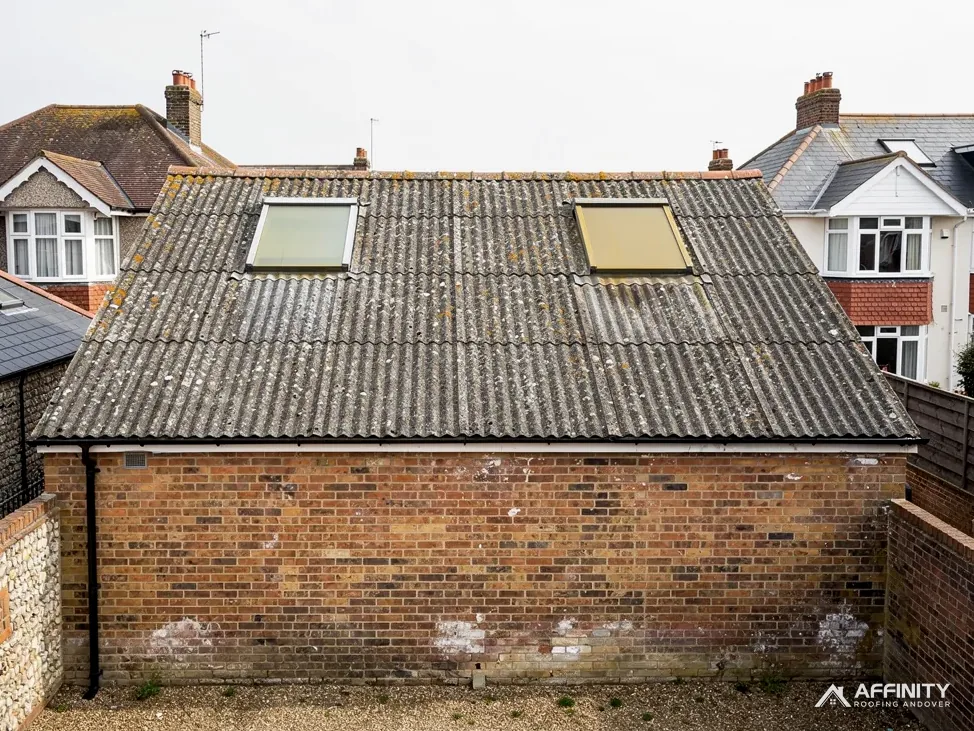
Roofs deserve special care. HSE's A14 guidance is that asbestos cement roofs are always fragile, so a sheet that seems sound can still fail under a person's weight. Left whole and undisturbed the material is far less of a worry. Drilling, breaking or walking across it is what releases fibres, which is why records and a plan come before any work.
The register is a living document. It needs updating after any work that alters the building, and it should live where the next contractor can find it. Our guide to fragile roof safety covers access.
What it means for roof work
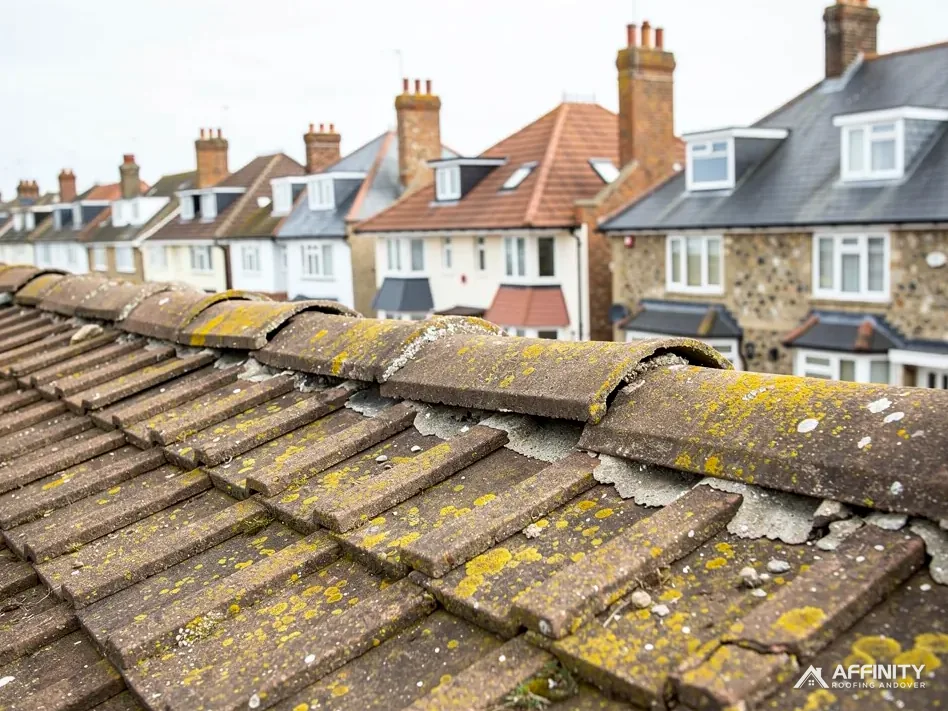
On a roof, asbestos turns up in a handful of familiar places. Corrugated cement sheets are the best known, found on older industrial units, farm buildings and garages. Roof lights, gutters and rainwater pipes can be cement-based too. Soffits and boxed-in eaves may hold insulating board, which HSE lists among the places to look.
The material decides how the work is classed, and the details are in our answer on asbestos roof removal cost. The point for the duty holder is simple: commission a survey before anything is priced, and share the result with every contractor who may touch the roof.
A roofer who has not seen the survey cannot sensibly quote for repairs, replacement or even gutter work. Without it, the choice is between pricing for the worst case, which is expensive, or stopping part-way, which is worse.
The duty holder also keeps the continuing record. After a job, the register should show what was removed, what stayed and what was covered over, so the next owner or tenant knows exactly where they stand. The commercial roofing page shows the wider range of work on business premises.
Records, and what we ask you for
Good records save money. When a roofer is handed a current register and survey, the job is planned around known materials. When not, work halts while the question is settled, and the delay usually costs more than the survey would have.
A useful register says what was found, where, in what condition and when it was last checked. After roof work it is updated to match. For notifiable work, HSE says registers of work, which count as health records, must be kept for 40 years, so the habit of keeping paper is a long one.
When you ask us to look at an older commercial roof, our first questions are who the duty holder is and whether a survey exists. If none does, we recommend one before any work that would disturb the sheets, and we leave identification of the material to the surveyor, working from samples.
Our part is the roof itself. We inspect it, record the findings in pictures, and send a single written total once the asbestos position is clear. If you hold a register, send it with your first message so it can be read alongside the roof.