The short answer
MyJobQuote (Sep 2026) puts asbestos roof removal at around £2,750 as a typical UK figure, but that average cannot size a commercial roof, and a large unit, barn or warehouse can differ from it by a wide margin. The price follows area, access, the condition of the sheets, how they must be handled and where the waste goes. A survey sets the number.
The MyJobQuote figure, and its limits
MyJobQuote's guide to removing asbestos from a roof, last updated in September 2026, gives a typical UK cost of around £2,750. It is a national average for a whole job, not a price for a particular building.
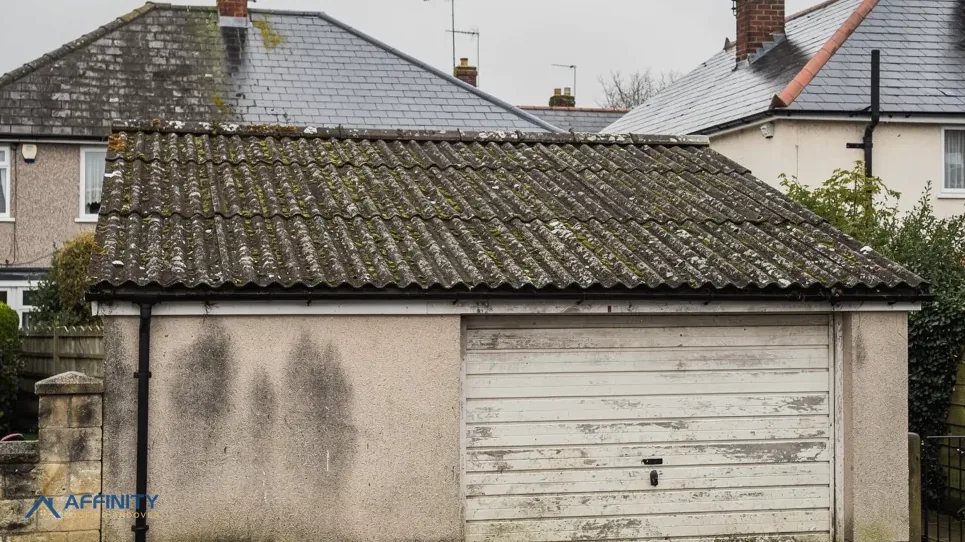
An average like this orients you and little more. A small garage roof and a large agricultural shed are both asbestos cement, yet the shed has many times the area, higher eaves, a harder approach and a bigger volume of waste. Multiplying the average by a number of square metres would give a total with no connection to a real quote, so that sum is best left alone.
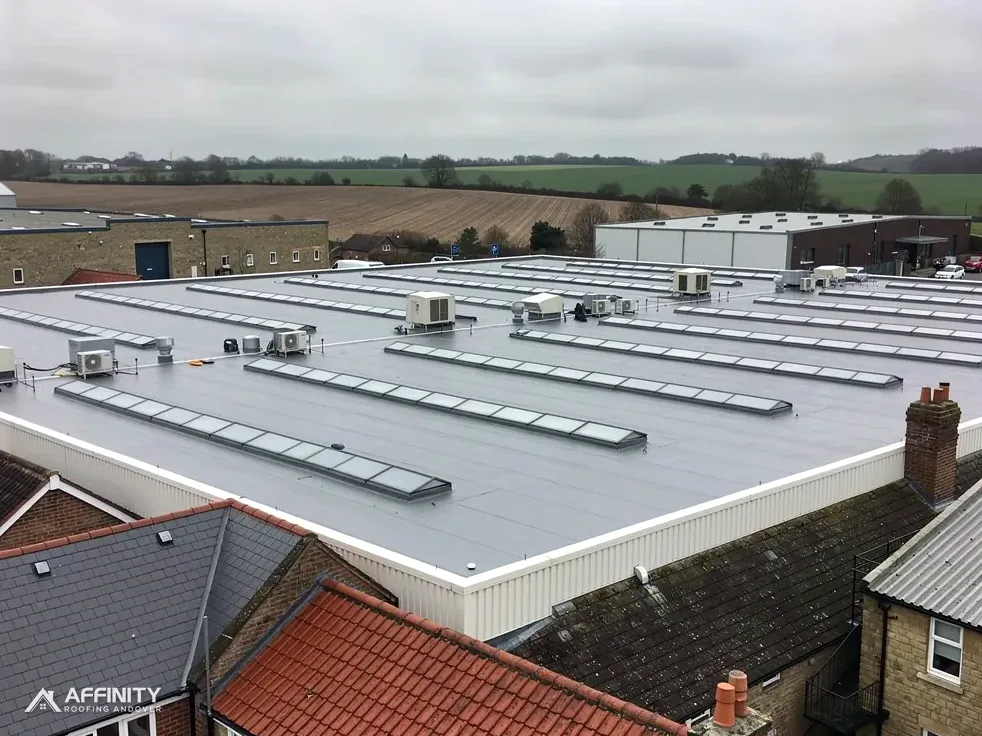
On a commercial building other factors enter. A working business may need the job phased, access kept open and stock or machinery protected below.
Read the figure as a sense of scale for a modest job, then have your own roof looked at properly. Ask any quote you receive to say whether it covers removal only or the new roof as well, because the two are often mixed up when figures are compared. The duty holder's records and the type of sheet will move the price either way. Our answer on the asbestos duty holder explains who holds that information.
Where the cost comes from
A few things do most of the work in pushing a quote up or down. The first is area, since more sheets mean more labour, more waste and more time. The second is access: a low-eaved building reached from the ground costs less to work on than a high one that needs scaffold, edge protection and a safe route for waste to come down.
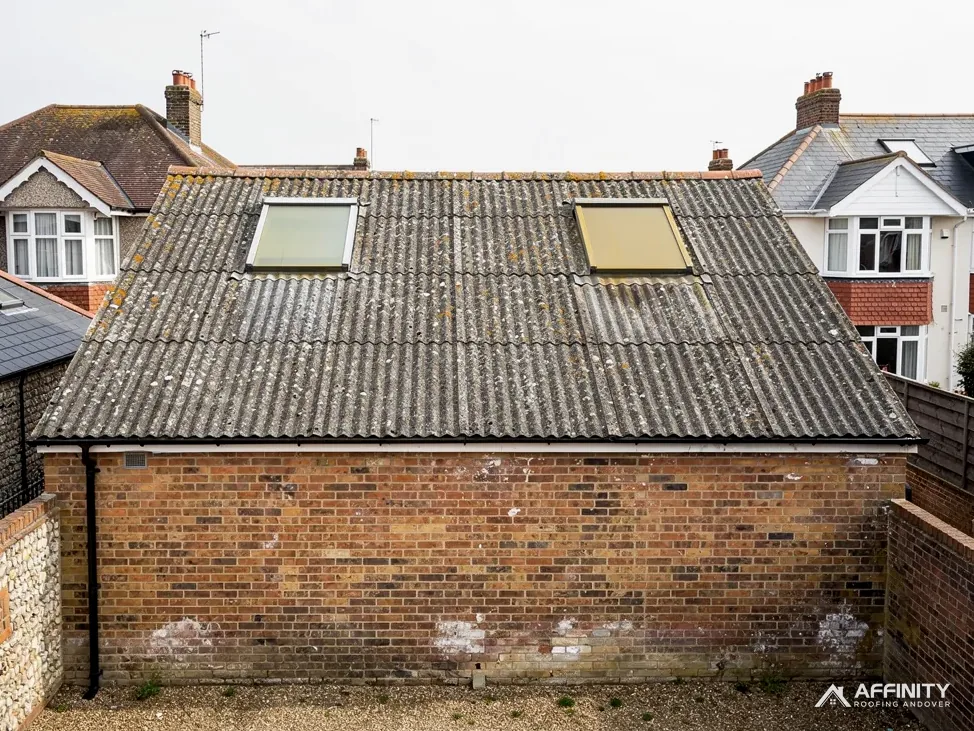
The third is the sheets' condition. HSE treats careful removal of asbestos cement, with the sheets lifted whole, as non-licensed work. Sheets that will be smashed or broken into pieces move into the notifiable non-licensed class, with more controls and more cost. Brittle weathered sheets and corroded bolts make breakage more likely.
The fourth is whatever else sits in the roof. Insulating board in soffits and linings is treated more strictly by HSE, and work on it that runs beyond a short job is licensable. If the survey finds board, that part is handled to its own rules.
Last comes the replacement. Taking the old roof off is half the job; the new covering, fixings and any insulation make up the rest of the one written total.
Waste rules and why they cost money
Asbestos waste is hazardous waste, and handling it properly is a real part of the cost. HSE says it should be wrapped twice and labelled, and it travels with a hazardous waste consignment note. GOV.UK guidance says the household exemption excludes asbestos waste, so it cannot be treated like ordinary rubbish, and the carrier needs the right registration.
It must never go into an open skip. HSE allows lockable or sealed skips, and sheets are bagged so they cannot break or shed fibre in transit. They end up at a site permitted to accept them, and that site charges for it, often by weight, so a heavy roof of thick sheets costs more to dispose of than a light one.
Those steps add labour, materials and haulage. They also explain why a quote that looks unusually low deserves a question about where the sheets are going. Fly-tipped asbestos endangers the public, and the person who arranged the job can be traced.
A written quote should say how waste is handled. Ask for that in plain terms before you accept, and ask to see the consignment note afterwards.
How we approach an asbestos roof
We begin with the survey and the duty holder's records. Then we inspect the roof from a safe position and photograph the sheets, fixings, gutters and eaves, marking what looks like cement and what looks like something else. Identifying the material from the ground is the surveyor's job, not ours.
Where no asbestos survey exists, one should be commissioned ahead of anything that touches the sheets, and the surveyor's report goes to everyone involved. It tells us whether the sheets can come off whole, which can swing the price a long way.
Once the material and its condition are known, we plan the removal, the access and the replacement, and the price follows as one written total. Where the business must keep going during the work, phasing is part of the plan, as our guide to roof work on an occupied building explains.
Check quotes on what they include: removal, disposal paperwork, the new covering, scaffold and VAT. A cheap-looking figure that leaves out waste or access is no saving, because the missing items turn up later as extras or as corners cut. The commercial roofing page lists the wider work we do on business premises.