The short answer
A licence is needed when scaffolding stands on the public highway, and it comes from the highway authority under section 169 of the Highways Act 1980. At an Andover address the highway authority is Hampshire County Council, which expects the scaffolding firm, not the occupier, to submit the application. Scaffolding on private land needs no council licence.
When a scaffold needs a licence
Section 169 of the Highways Act 1980 bars anyone from putting up, or leaving up, scaffolding that obstructs a highway without the highway authority's licence. The highway is not just the carriageway: it takes in the pavement and the verge.
So the first question is where the scaffold will stand. A house set back from the road, with a garden or drive big enough for the poles, can have its scaffold entirely on private land, and then no council licence is involved. Hampshire County Council and West Berkshire Council both state that poles standing on a private road fall outside their licensing.
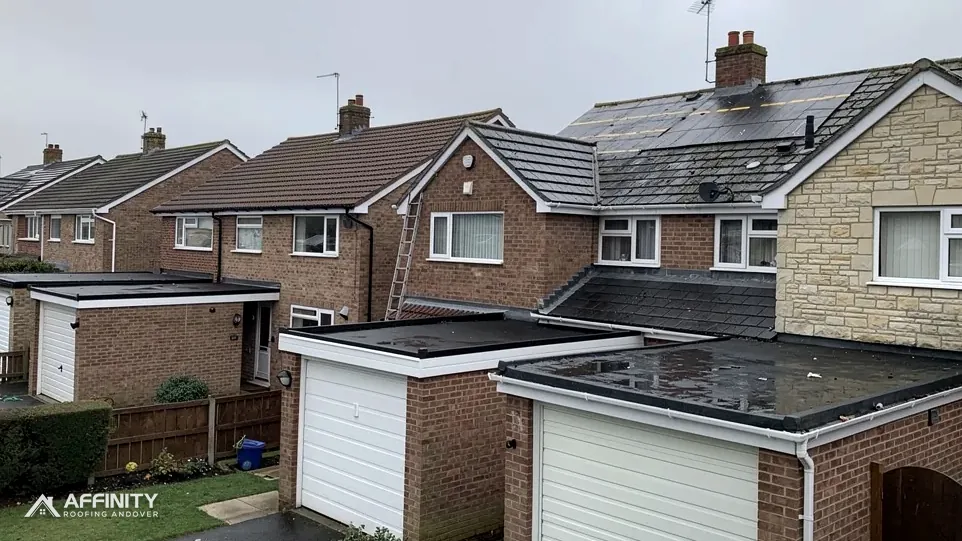
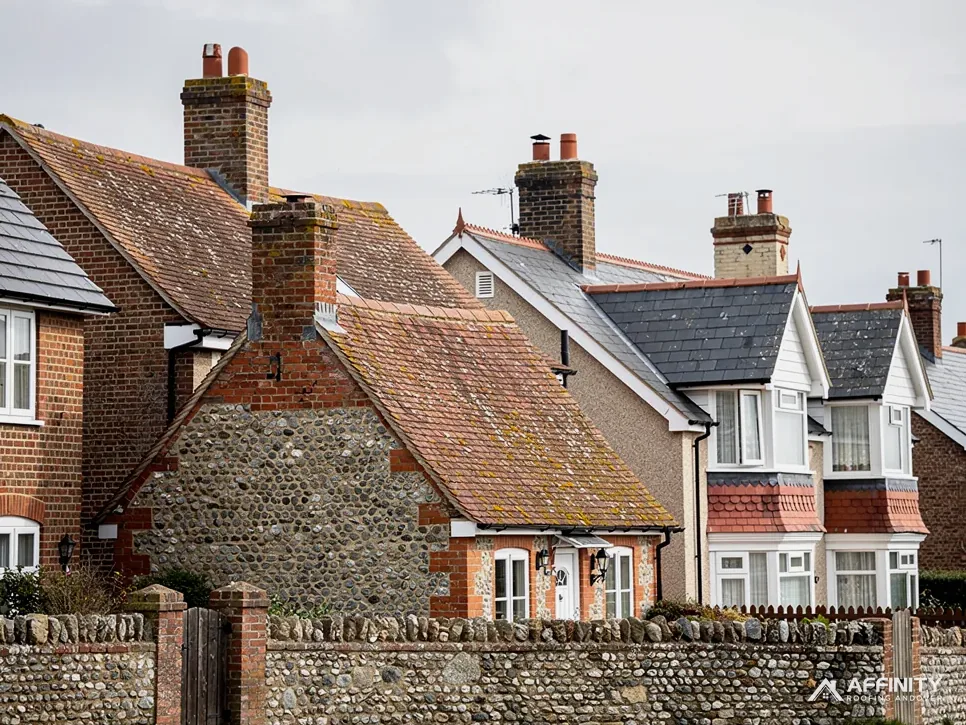
A terraced house that opens straight onto the pavement is different. The poles must go on the highway, and a licence is required before they go up.
The right name for it is a scaffold licence under the Highways Act. It has nothing to do with the permissions that cafes need for tables outside.
Our survey records where the scaffold will stand, because that decides whether a licence is part of the plan. A note of the pavement width and any parked cars saves a delay later.
Who applies in Hampshire and nearby
For every Hampshire district address, including Test Valley, the highway authority is Hampshire County Council. The district councils do not issue scaffold licences. Hampshire County Council expects the scaffolding firm, not the occupier, to submit the application on its customer's behalf.
The same pattern holds nearby. Wiltshire Council wants the application made through its MiPermit portal by whoever provides the scaffold or hoarding. West Berkshire Council likewise says a scaffolding provider has to submit it, rather than the resident.
The householder's part is small. You confirm the address and the dates, and you make sure that the roofer and the scaffolder are coordinated. Where the scaffold is arranged through us, the licence is dealt with between us and the scaffolder.
For other highway authorities, such as Southampton or Swindon, ask who applies and do not assume. Practice differs between councils, and a firm that works across several will know the local routine.
If a firm tells you that you must apply yourself, ask why. For Hampshire it is not the way the council describes it. Ask them to point to the council page, and put the question to the scaffolder before you book anything, because the answer decides who needs to hold the paperwork and who pays the fee.
Costs, notice and conditions in Hampshire
Hampshire County Council charges £211.90 on application for the first 2 weeks of a licence, and £72 for each additional 2-week period. It does not offer extensions, so a job that runs over needs a further period to be paid for. Hoarding, if required alongside, carries an additional fee.
It wants 10 clear working days between application and intended start. Tacit consent does not apply, so silence from the council is not permission, and the scaffold stays down until the licence arrives.
A condition is £10 million of public liability cover held by the scaffold firm, plus compliance with BS EN 12810 and 12811 or the NASC guidance TG20:13, and a plan with signing and guarding proposals.
These fees are each council's own, in its own units. Wiltshire's fee turns on how much notice is given: £143.80 for more than 3 working days' notice and £164.70 for less, and its licences are valid for 28 days. West Berkshire charges £125 plus £71 per week and asks for 10 working days' warning. The three cannot be compared directly, because the units differ.
Those fees sit inside the written price, and the scaffold firm normally pays the council.
What to ask your roofer
Ask three questions before you book anything. Will the scaffold stand on the highway or on private land? Who is applying for the licence if one is needed? And does the programme allow for the notice period?
The notice matters. Ten working days is two weeks, and a job pencilled in for next week may have to slip. If the roof is leaking, a ladder or a tower on private land, or a temporary make-safe, may bridge the gap.
Check that the quote says whether scaffolding and the licence fee are included. Our answers on scaffolding for a new roof and a scaffold tower for roof repairs explain how the choice affects the price.
If neighbours will be affected, tell them in advance. The scaffold may block a path or a drive, and a note through the door is courteous. Mention any parked cars or bins that will need moving on the day, so that the crew can start without a delay, and agree where the poles and boards will be stacked overnight.
For the wider picture, see our answer on whether you need to be at home during roof work, and the homepage for how we survey and price a job.