The short answer
Usually yes. Fascias sit at the eaves, and above a single storey the work needs a safe working platform, which means scaffold or a tower. Very low eaves can sometimes be worked from a tower on firm ground. If the frame occupies a public road or path, the highway authority's scaffold licence is needed under section 169 of the Highways Act 1980.
Why the answer is usually yes
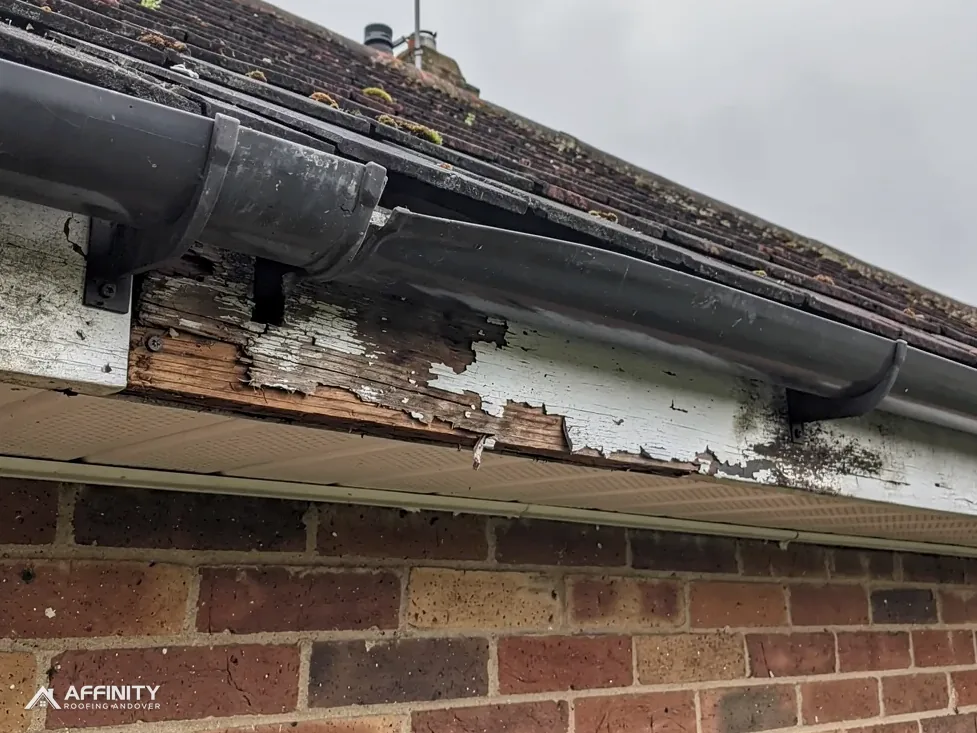
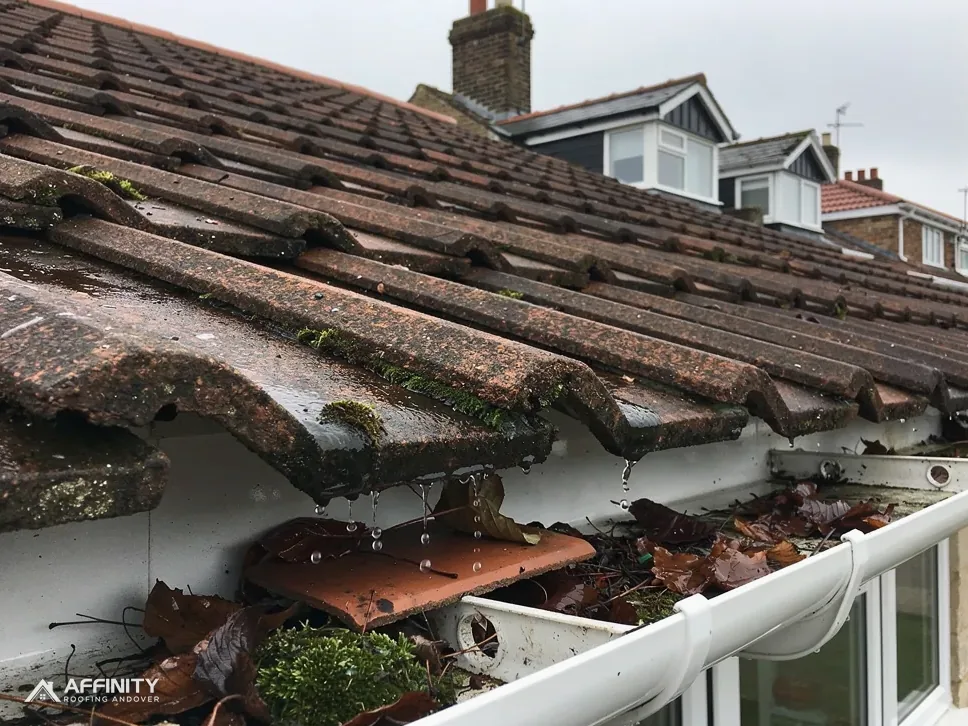
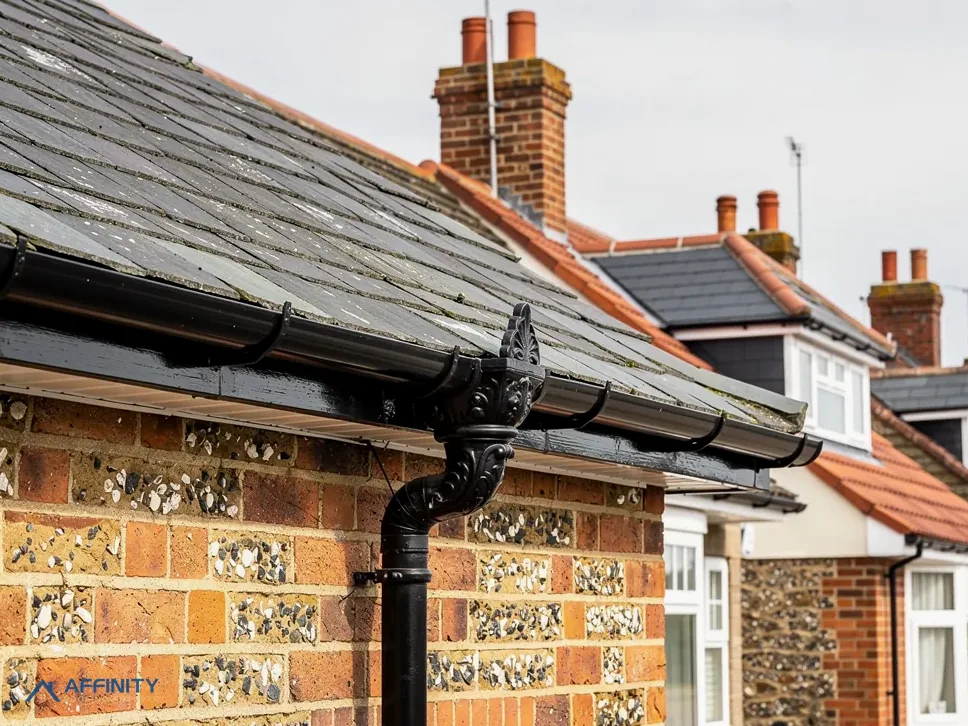
Replacing a fascia means taking the gutter down, stripping the old board, fitting new timber or cladding and hanging the gutter again. Both hands are busy, the pieces are long and awkward, and whoever does it is working along the roof edge. A ladder leant on the gutter cannot be trusted for that, and a ladder alone offers no safe place to stand.
Scaffold gives a platform at the right height, with guard rails and toe boards, so a fitter can work along the whole length without moving a ladder. It also holds materials, keeps people clear of falling debris and lets the soffit and rafter ends be inspected once the old board comes away. Rot behind a fascia often shows only at that moment.
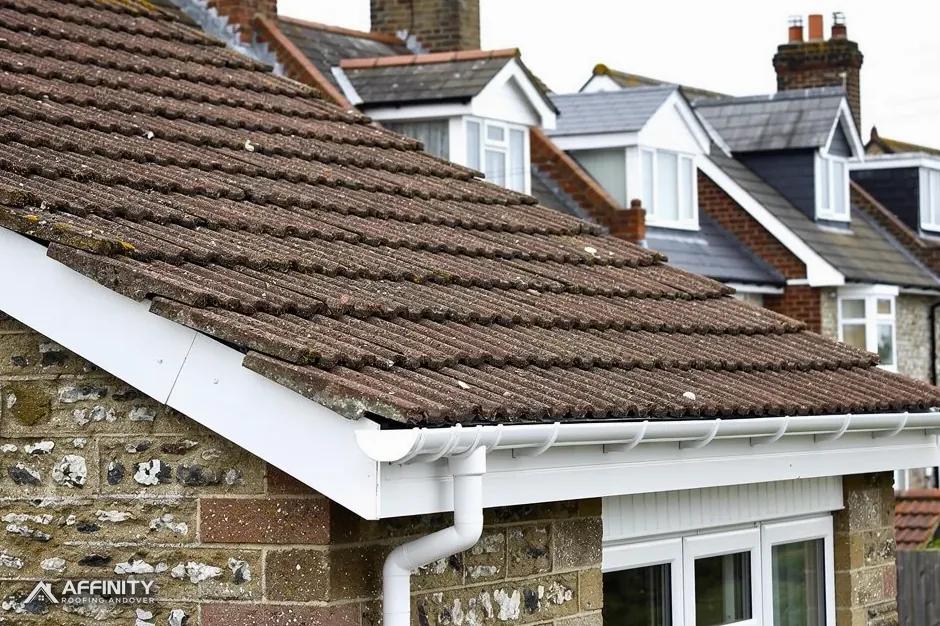
On a two-storey house there is no practical alternative. On a bungalow or a low extension, a mobile tower may be enough, provided the eaves sit low and the site is level. We decide at the survey, from the height and the ground, and tell you what is planned.
The access is part of the one written price, so ask any roofer whether scaffold is in it before you compare quotes.
When a tower is enough
A tower is a freestanding frame on wheels, built to the height needed and braced. It suits short jobs, such as mending one stretch of gutter or replacing a short fascia over a porch or small extension. It can be rolled along the wall, which saves time at single-storey height.
Towers are poorly suited to long runs across a two-storey front, because moving them repeatedly is slow and, at height, less stable. They also need firm, level ground, free of steps, drains and soft soil. A sloping drive or a flower bed under the eaves rules them out.
For a full fascia replacement on a typical house, a scaffold built along the elevation is the safer choice. It goes up once, gives uninterrupted access and comes down when the job is finished, with the boards and guard rails checked each day we are on site. Our guide to gutter replacement cost explains how access feeds into the price.
A ladder alone suits only short, light tasks, such as clearing a low gutter, and never a full board replacement. Even then it needs a second person to foot it, and firm ground under both feet.
Licences for the highway
Section 169(1) of the Highways Act 1980 forbids putting up or keeping scaffolding that obstructs the highway without the authority's licence. In practice that means a licence whenever the frame stands on the pavement or road.
For any Hampshire address, the authority is Hampshire County Council, whichever district it falls in. On its own page Hampshire County Council makes the scaffolding company responsible for applying for its customer. Hampshire's fee is £211.90 on application for the first 2 weeks, then £72 for each further 2 weeks. Hampshire County Council also wants ten clear working days in hand before a licence begins, and offers no extensions, so a delayed job means a fresh application. Hampshire also sets out that £10 million of public liability insurance is required for a scaffold licence.
Scaffold within private grounds or on an unadopted private road needs no licence. Wiltshire Council has the supplying scaffolder apply through its MiPermit portal, with a fee of £143.80 on more than three working days' notice, £164.70 on less, and each licence valid for 28 days. West Berkshire Council also has scaffolders apply, at £125 plus £71 per week.
Planning the job around access
Because a licence takes time, raise access early. Hampshire's minimum is ten clear working days, and consent is not assumed, so a frame cannot go up on the road side until the licence is issued. If your dates matter, say so when you book the survey.
For addresses in Southampton, Swindon, Reading or Oxfordshire, ask who applies, and the licence is then arranged jointly with the scaffolder. Ask any roofer whether scaffold and any licence are included in the quoted total, and how long the frame will stay up, since hire time affects the cost.
Other points are practical. A frame needs room, so bins, cars and plants along the wall are moved. Neighbours should be told, since the structure may cross a shared boundary or block a path, and a courteous word in advance is appreciated. If gutters, soffits and fascias are all being renewed, one scaffold covers the lot, which keeps the visits to a minimum.
The guttering, soffits and fascias page lists the work. Our guide to capping over or replacing fascias shows how that choice changes the access you need.