The short answer
Often not, when only the covering changes on a house. Class C permitted development takes in roof alterations, but stops at anything standing more than 0.15 metres above the original slope, so a tall lantern needs a check. Flats have no such rights, listed buildings need consent too, and conservation areas and Article 4 directions add controls. Building Regulations are separate.
Two different permissions
Planning permission is about what is built and how it looks and fits in. Building Regulations are about how it is built: structure, energy use, ventilation and safety, with inspections as the work goes on. A conservatory roof job can need one, the other, both or neither, so keep the two questions apart.
The Planning Portal says that a conservatory's new roof has to meet the Building Regulations, covering structure, energy efficiency and ventilation. That applies even when no planning application is needed. Because of its weight and insulation, a solid roof falls under the Building Regulations, and the structure has to carry it.
Planning is the question for this page. The test is whether the work is development at all, and if so whether national rules grant it without an application. That grant is what permitted development means.
The next sections cover the main tests, in a sensible order. Your own council is the final word on your property, and a short email to its planning team, with photographs, gets an answer in writing. Planning teams differ in how fast they reply, so ask early.
Class C and the 0.15 metre limit
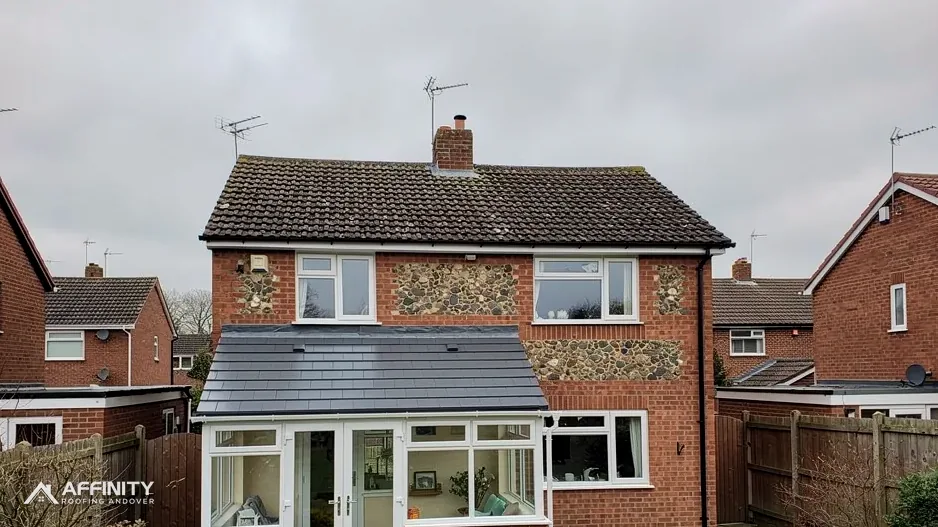
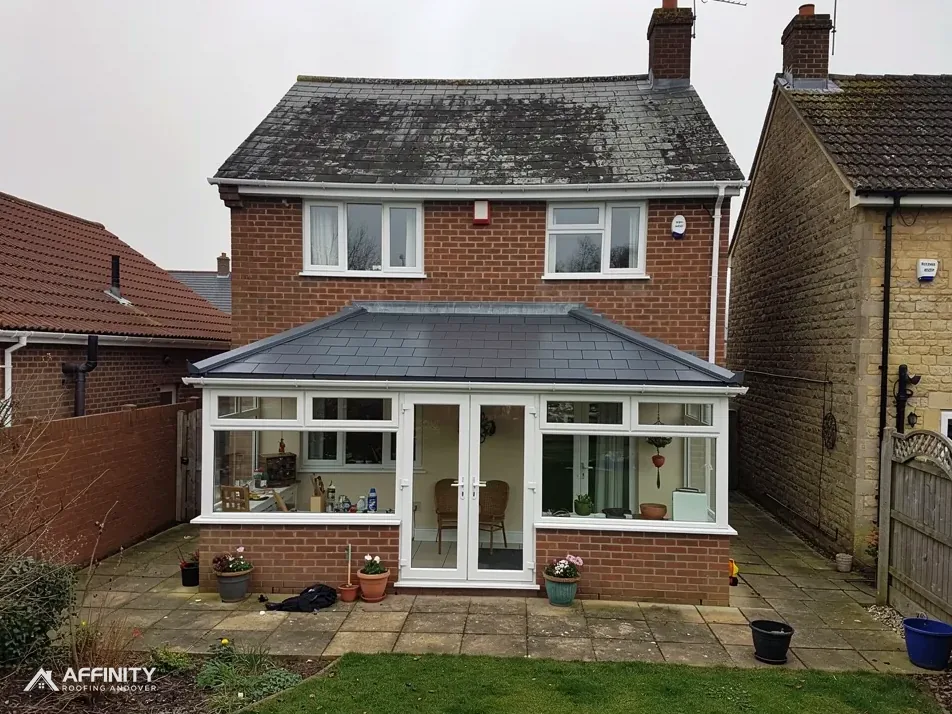
The General Permitted Development Order 2015 puts roof alterations to a dwellinghouse into Class C. Re-roofing a house, with the same shape and a different covering, normally sits inside it, and section 55(2)(a) of the 1990 Act also puts minor works that leave a building looking the same outside planning control. The Order's wording, not a general impression, decides each case.
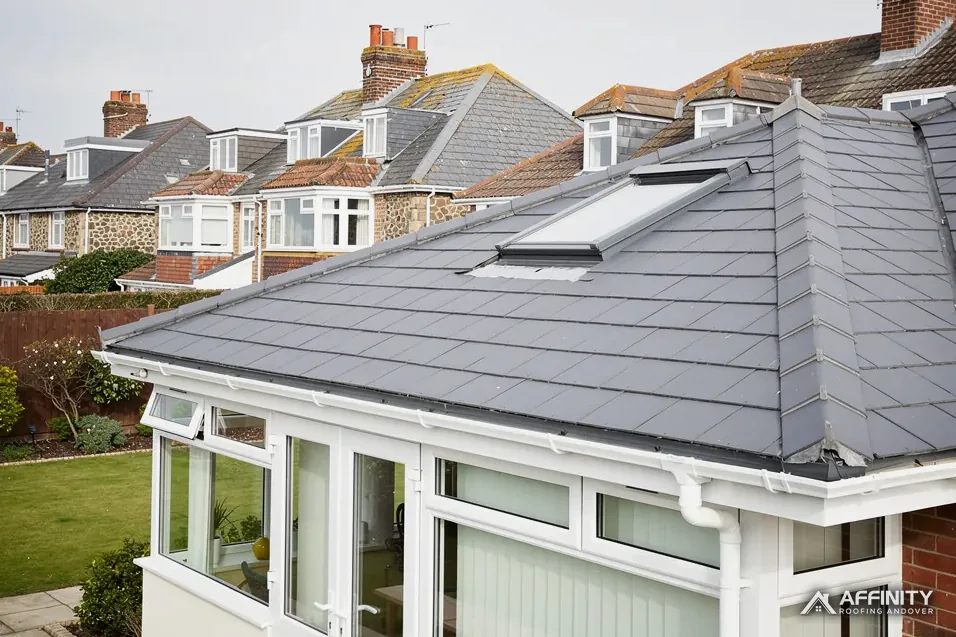
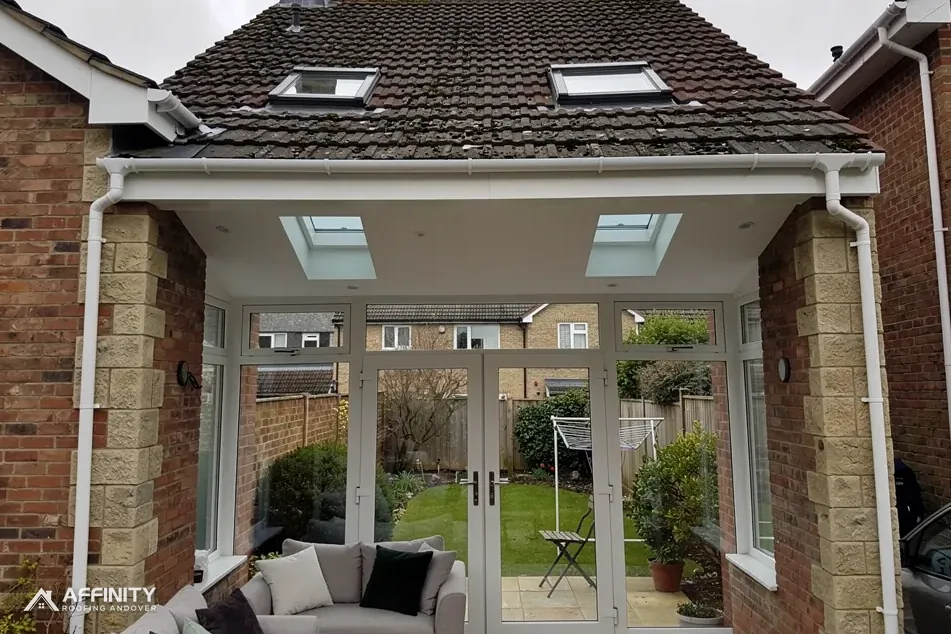
Class C has limits. Condition C.1(b) rules out an alteration standing more than 0.15 metres above the line of the original slope. A flat replacement sheet or tile layer stays inside that. A lantern, or a window frame on a tall kerb, can go beyond it, and that is when to ask the council.
Windows in a side roof slope have a condition of their own, C.2: they must be obscure-glazed, and non-opening unless the opening parts are more than 1.7 metres above the floor.
Flats are different, and so are maisonettes where the roof belongs to the building as a whole. The Order's definition of a dwellinghouse excludes a building containing flats, and so Class C does not apply to them. A flat owner should ask the council first.
Listed buildings, conservation areas and Article 4
Listed houses are not excluded from Classes B and C. They still need listed building consent when work changes their character, and the two permissions run side by side. Our answer on a conservatory roof on a listed building covers that route.
Conservation areas, National Landscapes and National Parks count as article 2(3) land. On that land there are no permitted development dormers. Class C does not carry an article 2(3) exclusion, so a re-cover is not removed by the designation alone.
An Article 4 direction is different, because it takes named rights away within a mapped area. Basingstoke and Deane, for example, has directions in four town conservation areas under which roof changes need planning permission. For other councils in this area, ask the planning team if your address lies inside a direction and what it covers.
The council that decides is your local planning authority. In the South Downs and the New Forest that is the national park authority, and in the North Wessex Downs it remains the council.
Checking before you commit
Send your council's planning team photographs of the existing conservatory, a short description of the new roof, and any drawing you have. Ask whether it needs permission, and keep their written reply. An email is enough to hold on file, and it is useful paperwork if you sell.
If a lantern, a raised ridge or a change of shape is part of the plan, say so in the first line, because those are the features that can break the 0.15 metre limit. Mention listing, a conservation area or a block of flats up front, too. If you rent the property out, say so, because a landlord's letter or lease may also set rules on alterations.
On our side, we measure the existing roof, photograph the junctions with the house and record heights, so the council has facts to work from. We will not tell you that something does not need permission when the council has not said so.
For the approvals that do apply, plan a little time. Building control may want to inspect at stages, and a start date should wait until you know the answer from both teams, and our answer on how long a conservatory roof replacement takes explains where that fits. The conservatory roofs hub covers the types of replacement.